

Collaborating With International Artists: A Practical Playbook
Last Edited: Aug 26, 2026
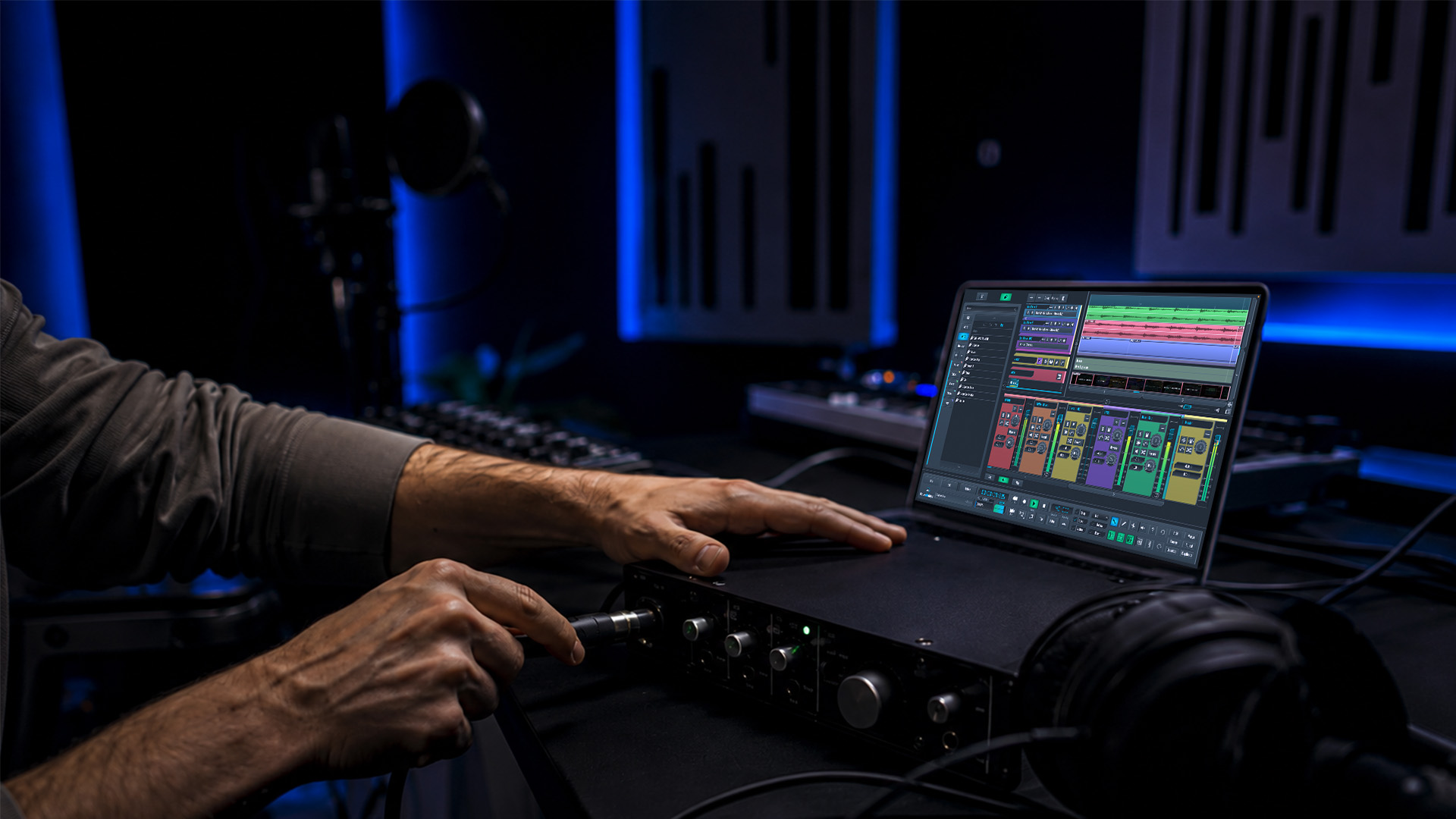
The fastest way to land international collaborations is a data-backed pitch to a well-matched partner, rights secured before anyone hits record, and a remote-first workflow that stays studio-accurate across time zones. That’s the whole strategy. Everything else is execution.
Here’s what to do in the next hour:
- Pull your top 3 streaming cities and monthly listener count from your distributor dashboard
- Grab one clean, recent live performance clip (phone footage is fine if the audio is clear)
- Write a single-sentence hook explaining why this specific artist, not just “any international artist,” makes sense for you
- Shortlist 2 to 3 target partners whose sound and audience actually overlap with yours
- Send a note asking for a 20-minute call, not a full commitment
Pro Tip: Do this before you write a full pitch deck. A vague hook sent to ten artists loses to a specific hook sent to three.
For the remote sessions that follow, running everything through SoundBridge’s virtual collaboration tools keeps timing tight even when your co-writer is twelve time zones away.
Key Takeaways
Successful international collaboration depends on a data-backed pitch, upfront clarity on rights, and a remote-first workflow that remains studio-accurate across time zones.
| Point | Details |
|---|---|
| Lead with data, not a demo | Attach streaming cities, monthly listeners, and a live clip before you send the song. |
| Lock splits before excitement fades | Put master ownership, publishing shares, and remix rights in writing early. |
| Plan visas and routing months ahead | Start work-permit paperwork the moment a live date is confirmed, with buffer days built in. |
| Give releases 8 to 12 weeks | Stagger localized press and paid promotion across each partner’s territory. |
| Use a remote-first tool built for sync | SoundBridge’s zero-latency tracking and talkback keep cross-border sessions studio-accurate. |
Where to Find International Collaborators Worth Pitching
Skip the cold-DM-everyone approach. It wastes time and reads as generic to the people you’re trying to reach.
- Roster-match through labels and promoters. Look at who a label or promoter already books internationally. If they’ve flown someone in from Berlin twice, they have infrastructure for it, and that’s a warm door.
- Show up at conferences that exist for exactly this. Eurosonic, The Great Escape, and Canadian Music Week bring together promoters and artists actively seeking cross-border partners, and conference networking outperforms cold outreach in opening promoter relationships.
- Ask local promoters for direct introductions. A promoter who’s booked shows in the region you’re targeting can vouch for you in a way no email ever will.
When you shortlist candidates, apply three filters before reaching out: recent live video (proves they perform, not just record), top streaming cities that overlap with your own touring goals, and engagement rate over raw follower count. A 40,000-follower artist with 2% engagement is a weaker partner than one with 12,000 followers and consistent comment activity.
How to Craft a Winning Pitch and Proposal for International Collaborations
Open with the hook, not a bio. The first line should say why this pairing makes sense, not who you are.
Structure the rest around mutual benefit, a specific deliverable (a single, a remix, a joint EP), and a rough timeline. Attach or link the assets that prove you’re worth the time: your top 3 streaming cities, monthly listeners, engagement rate, a live performance clip, a proposed split, and a realistic schedule. Sourcing these metrics matters. Verifiable streaming and engagement data separates a credible pitch from a form letter, and it’s usually the difference between a reply and a read receipt with no response.
Use different templates for different recipients:
- To an artist: “Hey [name], your [track] and my [track] share almost identical energy. I’ve got [X] monthly listeners in [city], you’ve got [Y] in [city]. Want to explore a collab?”
- To a promoter or label: “I’m building momentum in [region] with [streaming stat]. Interested in a showcase slot or introduction to [artist]?”
- Subject lines that get opened: “Collab idea: [your name] x [their name]” or “[City] audience overlap worth exploring?”
Pro Tip: Before booking the intro call, have your split proposal, timeline, and one reference track ready. A 20-minute call that ends without a next step usually means you weren’t prepared.
Remote Production Workflows That Keep Quality High Across Borders
Once the pitch lands, the session itself is where projects usually succeed or fall apart. Build a session checklist before the first file exchange: agree on sample rate (44.1kHz minimum, 96kHz if anyone’s mixing for film or high-end release), bit depth, a shared naming convention, embedded metadata, and a reference mix everyone can check against.
Version control prevents the classic “which file is final” mess. Time-stamp every note, number stem versions sequentially, and use integrated video and talkback so revision requests don’t turn into three-paragraph emails. Large multi-country collaborations depend on rigorous version control and contributors uploading unprocessed dry takes to stay cohesive. That discipline matters more as the number of contributors grows.
Quality control on incoming stems:
- Request dry, unprocessed takes, not printed effects
- Flag noisy recordings early and ask for a quick denoise pass or a re-take
- Check phase alignment on anything recorded with multiple mics
- Confirm tempo and key match before building on top of a stem
Giving contributors room to reinterpret a demo rather than copy it exactly tends to produce better, more owned performances than strict note-for-note replication.
This is where SoundBridge’s zero-latency remote tracking earns its place in the workflow. Studio-accurate sync means a vocalist in Lagos and a producer in Toronto can track together in real time, instead of trading files blind, with built-in talkback so direction happens live rather than in a follow-up message. Support for 192kHz processing ensures fidelity is maintained even when the final mix moves between studios. Expert-tested remote collaboration techniques cover the setup details in full.
Contracts, Rights, and Payments: A Practical Checklist
Handle this before the track is finished, not after it starts making money.
- Lock the splits in writing. Cover master ownership, mechanical and publishing shares, sync rights, and language for any future remixes or derivatives.
- Decide who administers royalties. Pairing with a publisher or admin partner makes sense once a release spans multiple territories, since collecting royalties across countries is nearly impossible to track manually.
- Register everything. Get an ISRC for every version, register with your PRO, and confirm your distributor has the right contributor splits on file for each territory.
- Set the payment terms early. For live work, agree upfront whether it’s a flat guarantee or a door split, what deposit is due before the show, and when the final invoice gets paid.
Skipping any one of these four steps is the most common reason a promising collaboration ends in a dispute instead of a second project.
Logistics for Live Collaborations and Touring
Once a remote collaboration is ready to go live, a local promoter or sponsor becomes essential. They know the venue, the audience, and the paperwork better than you ever will from abroad.
Visas and work permits are the part people underestimate. Start the application process the moment a date is confirmed, not a few weeks before. Building rest days into the routing and translating key documents in advance prevents the kind of last-minute scramble that cancels shows. For complex cases, an immigration lawyer is worth the fee.
Before you finalize routing, confirm freight and backline needs city by city, and add contingency language to contracts covering cancellations, delays, or gear failure.
- Tech specs sheet (inputs, stage plot, power requirements)
- Rider (hospitality, backline asks)
- Full itinerary with local contacts
- Emergency contact list, including the promoter and venue manager
Pro Tip: Send the artist info packet at least 3 weeks in advance. A promoter scrambling for your tech specs the day before load-in is a bad sign for everything else.
Release and Promotion Plan for Cross-Border Collaborations
Give the release about 2 to 3 months of lead time, covering final mastering, registration, distributor scheduling, and press outreach across all territories involved.
- Weeks 1 to 3: Finish the master, register the ISRC, and lock the distributor release date.
- Weeks 4 to 6: Send localized press pitches and start playlist and influencer outreach in each target market.
- Weeks 7 to 9: Stagger paid promotion by region and confirm translated assets are ready.
- Weeks 10 to 12: Release, then track performance and adjust remaining ad spend.
Bilingual versions, region-flavored remixes, and cultural-exchange EPs consistently outperform a single generic version pushed everywhere at once.
| Milestone | Timing |
|---|---|
| Final master locked | Week 3 |
| Localized press sent | Week 6 |
| Paid promotion staggered by region | Week 9 |
| Release and metrics tracking begins | Week 12 |
Track streaming growth in your target cities, playlist placements, follower lift in each new market, and conversion into ticket or merch sales.
Cultural Considerations and Communication Styles When Collaborating Internationally
A missed message isn’t always a scheduling problem. It’s sometimes a cultural one.
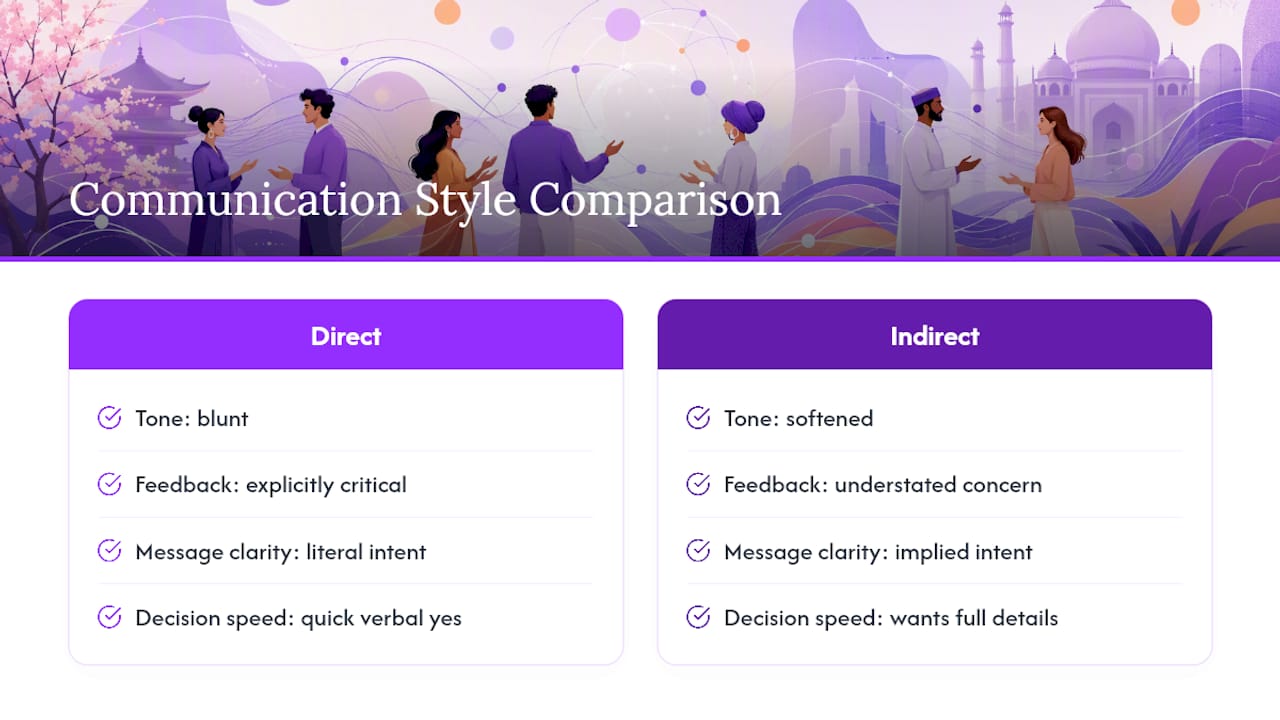
Directness varies enormously by region. A collaborator from Germany or the Netherlands might send blunt feedback that feels harsh in text but isn’t personal at all. A collaborator from Japan or much of Southeast Asia might soften criticism so much that you miss the actual concern. Neither style is wrong, but assuming everyone communicates as you do is the fastest way to misread a note.
Decision-making pace differs too. Some collaborators want a quick verbal agreement and to figure out the details later. Others want everything specified before they’ll commit to a “yes.” Ask directly and early how someone prefers to make decisions, rather than guessing from their first few messages.
Holidays and religious observances affect availability in ways your calendar app won’t flag. Ramadan, Lunar New Year, and national holidays outside your own country can shift a project timeline by a week or more if you don’t ask about them upfront.
The long-running Macalla cross-cultural music project is a useful case study here: durable international partnerships tend to involve real in-person time, not just file exchanges, and relationships built face-to-face survive rough patches that a purely remote partnership might not.
The fix for most of this isn’t a rulebook, since customs vary too much for one. It asks one direct question early on: “How do you like to work when we disagree on a creative choice?” That single question surfaces more useful information than a week of cautious feeling-out.
Time Zone Management and Scheduling Strategies
Twelve-hour time differences don’t have to kill momentum, but they do require structure instead of good intentions.

Start by mapping everyone’s working hours, not just their time zone. A collaborator in Manila might be most creative at 9 PM local time, and forcing a call at their 7 AM just because it’s convenient for you sets the session up to underperform. Find the overlap window, even if it’s only two hours a day, and protect it.
For anything that doesn’t need to happen live, default to asynchronous work. Send a rough idea, a scratch vocal, or a note with a clear deadline attached, and let the other person respond on their own clock. Reserve live sessions for the parts that genuinely benefit from real-time back-and-forth, like tracking a vocal take or working through an arrangement decision together.
A few habits make async work smoothly:
- Always state the deadline in both time zones, not just yours
- Record a short voice memo instead of a long text note when explaining a creative direction
- Batch your questions so a collaborator isn’t checking messages five times a day
When a live session is worth scheduling, that’s where studio-accurate remote sync earns its keep. Nobody wants to burn a rare overlap window fighting latency instead of making decisions.
Navigating Language Barriers and Using Translation Tools
Language gaps rarely kill a collaboration outright, but they slow everything down if you don’t plan around them.
For everyday back-and-forth, tools like DeepL and Google Translate handle casual messages well enough to keep momentum going. Neither is reliable for anything binding. Contracts, splits, and rights language need a human translator or a bilingual legal advisor, since a mistranslated clause about master ownership or derivative rights can cause real damage months later.
Song lyrics sit in a gray zone. Machine translation can get you a rough sense of meaning, but idiom, rhythm, and emotional tone rarely survive the process intact. If a lyric matters to the release, pay a native speaker to review it before it goes out, even if that’s just a quick paid consult rather than a full translation job.
Simple habits reduce friction without any tool at all: write in short, direct sentences instead of long ones packed with idioms, confirm understanding by asking the other person to restate what they heard, and put anything with a deadline or dollar figure in writing rather than trusting a verbal agreement across a language gap. Voice memos also help enormously when written English (or any shared second language) is shakier than spoken conversation, since tone carries information that text strips out.
None of this needs to slow down the creative process. It just needs a five-minute check before anything with real consequences goes out the door.
What Years of Remote Collaboration Actually Teach You
The biggest surprise isn’t the time zones or the contracts. It’s how often a promising international collaboration stalls not because of a skills mismatch, but because one side assumes silence means disinterest when it actually means a holiday, a visa delay, or a different pace of decision-making.
Three lessons hold up across most projects. Do send the data-backed pitch before the polished demo, since numbers open doors that unfinished songs don’t. Do lock splits before the track is fun to work on, because nobody wants to negotiate money once excitement is high. Don’t assume your collaborator’s silence is a no. It’s usually a time zone, a visa office, or a Tuesday that happens to be a national holiday somewhere you didn’t think to check.
— Wake
How SoundBridge Supports the Workflows Above
Every checklist in this guide points to the same bottleneck: keeping a session studio-accurate when your collaborator is nowhere near your studio. That’s the specific problem SoundBridge is built to solve, not a general collaboration app bolted onto a DAW as an afterthought.
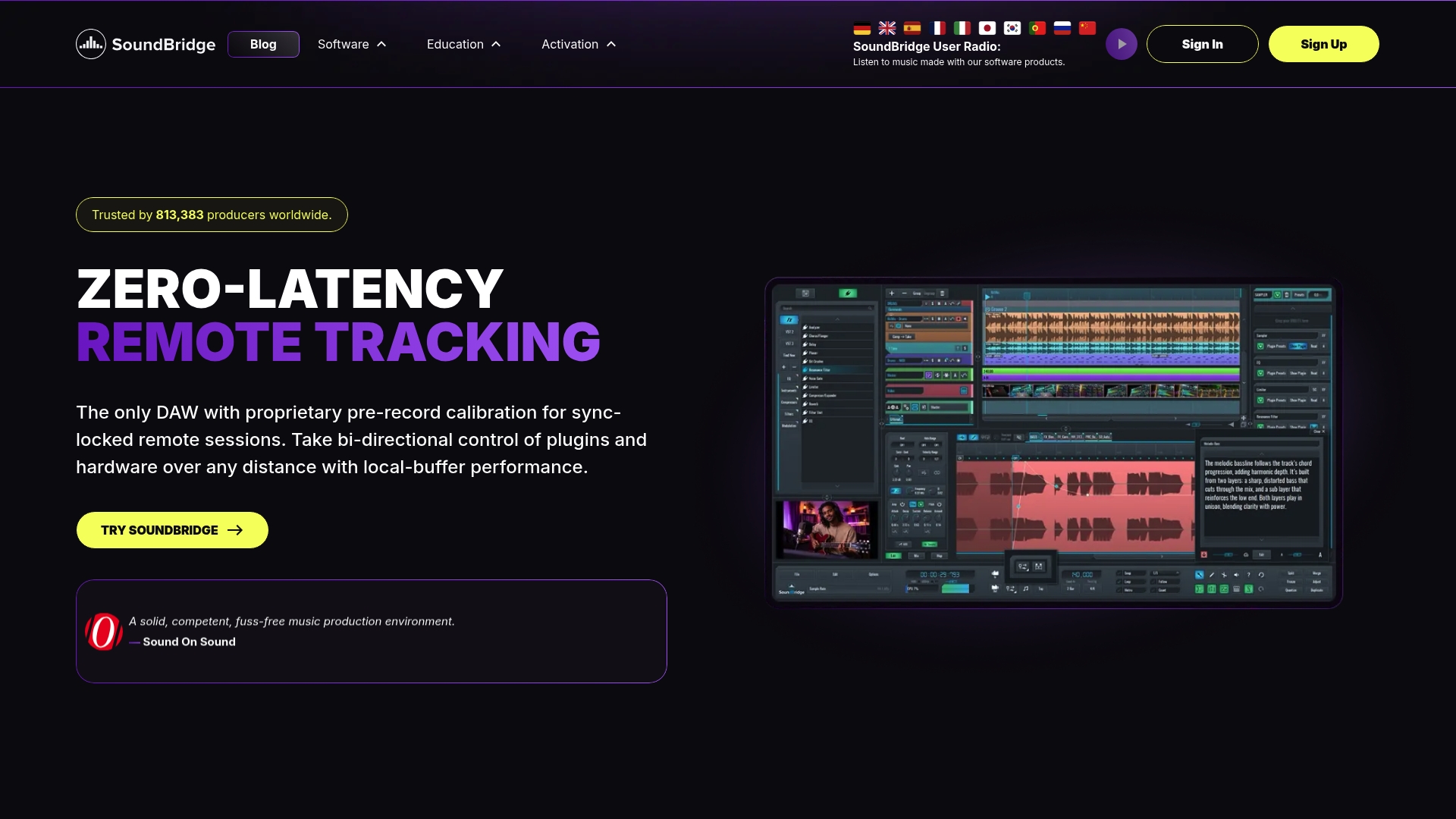
Zero-latency remote tracking means the vocalist in Lagos and the producer in Toronto from our earlier example can actually perform together in real time, rather than trading files and hoping the timing lines up. Integrated talkback replaces the three-paragraph revision email with a live conversation, and bi-directional plugin control lets a collaborator adjust a compressor setting from their own rig while you watch it happen on yours. Support for up to 192kHz preserves fidelity during mixing and mastering, whether you’re on Mac or Windows. The free tier is enough to test the remote workflow on your next collaboration, and paid plans unlock the server access that makes larger, multi-contributor projects run smoothly. Start with SoundBridge’s DAW platform and see what a real-time session with an international collaborator actually feels like.
Sources
- Touring Internationally as an Independent Artist: The Complete Practical Guide | Tools 4 Music Blog | Tools 4 Music 2026
- Creative International Collaboration Ideas from Kobalt (summarized)
- Intercontinental interview: organizing remote contributions across continents (Magnetic Magazine, 2026)
- Booking overseas talent in 2026: navigating visas, permits and cross-border logistics | TicketFairy (2026)
Recommended
MASTER MUSIC PRODUCTION
Expert-led courses designed to take you from fundamentals to finished tracks.

HOUSEFrom bouncy bass and solid kicks, this course teaches you the most modern House music production techniques needed to succeed and stand out.

TRAPQuit sounding like generic Trap and produce something World with hints of the Far East. Create ethnic soundscapes to put your Trap ahead of the curve.

AMBIENTProduce relaxing, sophisticated psy-influenced ambient. Psychedelic and relaxing to listen to, create meditative soundscapes to put your listeners in Zen.