

Create an Organic Low-End with Bass Layering
Last Edited: Jul 29, 2026
In modern electronic music, the low-end defines the groove, supports the harmony, and often determines how powerful a track feels on larger systems. Synthesizers handle this role most of the time. Synth basses offer stability, precision, and deep control over tone and dynamics. At the same time, purely synthetic bass sounds can sometimes feel too static or overly controlled. Even when the sound design is strong, there is often a certain human movement missing. This is especially noticeable in genres influenced by organic instrumentation. In these styles, the low-end feels more alive rather than perfectly mechanical. One effective way to solve this is through bass layering.
Instead of relying on a single source, you can combine a synth bass with a live electric bass recording. This allows each layer to contribute different qualities to the final sound. The synth layer can provide the stable low-end foundation, while the electric bass introduces texture, articulation, and a more natural sense of movement. However, combining these two sources is not as simple as stacking them together. Both sounds often occupy similar frequency ranges, which can quickly lead to masking, phase conflicts, or an unfocused low-end.
Without proper separation and processing, the result can become weaker rather than fuller. This is why layering works best when you give each sound a specific role. The synth bass may dominate the sub frequencies and sustain, while the electric bass focuses more on attack, midrange detail, and groove. The goal is not simply to create a bigger bass sound. Rather, we want to build a low-end that feels more organic, expressive, and connected to the groove of the track.
Listening in Context Before Any Bass Layering
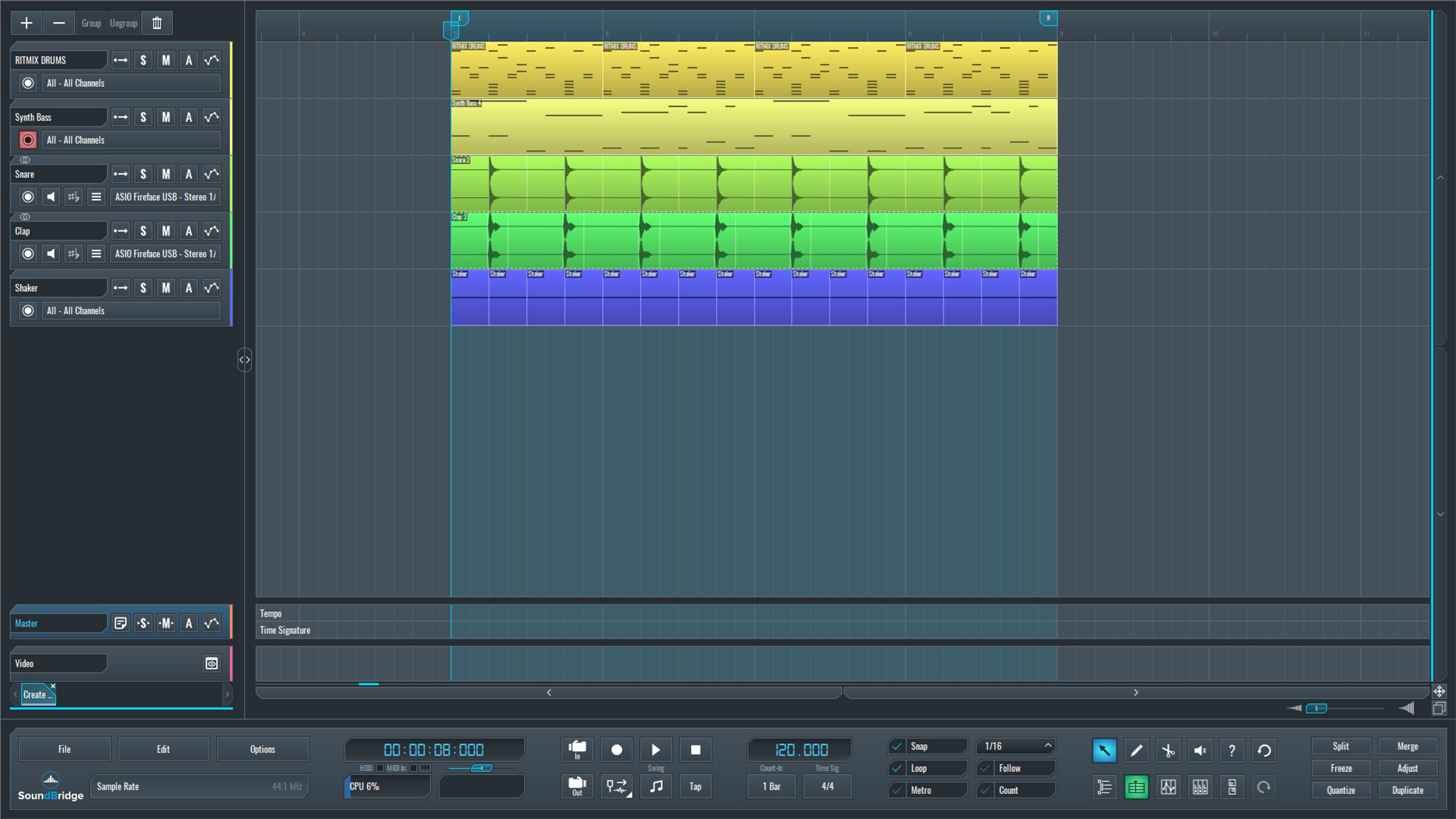
At this stage, we created a simple bass theme using Vital, forming the main synth bass layer for the track. Alongside it, we added a drum section with Ritmix from SoundBridge, and combined it with a few additional drum layers to build a basic rhythmic foundation. The focus here is not on a complete arrangement or a polished loop, but on the groove itself. We are focused on how the bass and drums move together rhythmically.
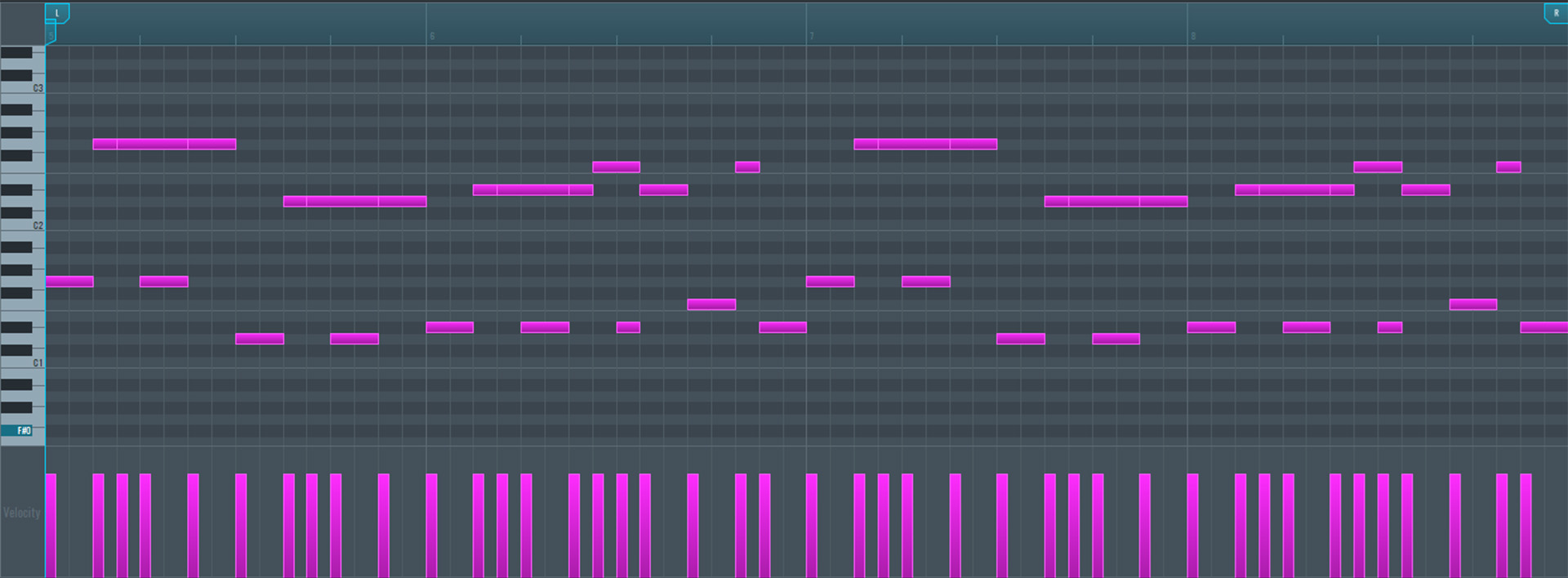
We played the loop in full context to hear the interaction between the synth bass and the drum section. This makes it easier to understand where the groove feels stable and where we may need additional movement or texture. After that, we listened to the bass sequence in solo. This reveals the raw character of the synth bass on its own, including how consistent and controlled it feels before introducing any additional organic layers.
~Full Mix - With Synth Bass Layer
~Synth Bass Layer - Solo
Layering the Synth Bass With a Live Bass Sound
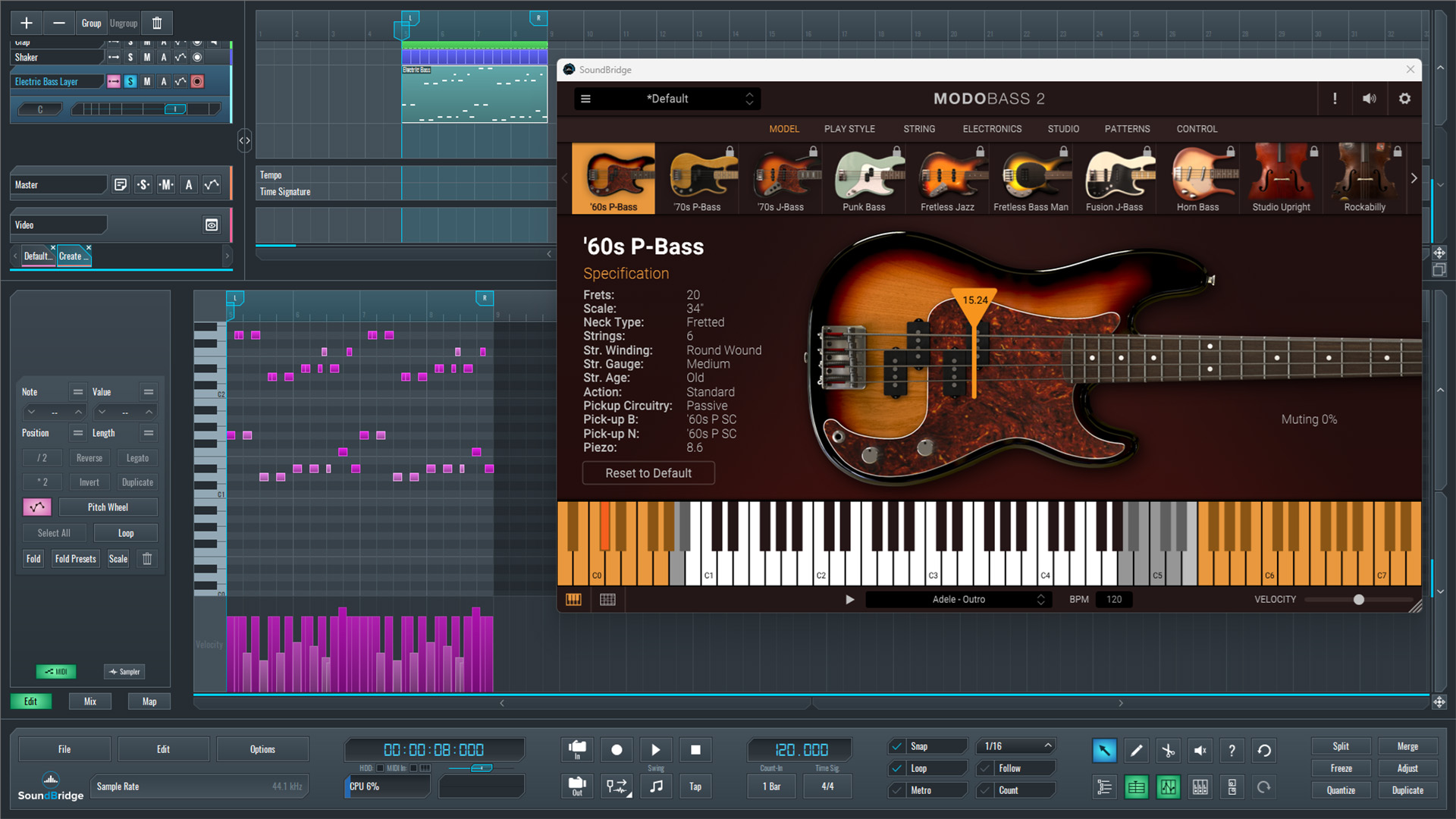
The next step was layering the existing synth bass with a live-style bass layer. For this example, MODO Bass 2 by IK Multimedia was used as a practical and accessible solution, even in its free version. The MIDI sequence remained the same as the original synth bass. The purpose here is not to create a second independent bass line, but to reinforce the existing groove with a more organic tone and playing character.
Before combining the layers, the live bass sound was first listened to on its own. Even with the limited functionality available in the free version, there is still more than enough control to create an effective supporting layer. For this setup, we switched the play style to a fingered bass performance, which immediately introduces a softer and more natural articulation compared to the synth layer. We also made a few additional adjustments inside the plugin. We mainly applied subtle EQ shaping to fit the tone of the track better.
At this stage, the goal is not complexity, but contrast. The synth bass provides stability and low-end consistency, while the live bass layer introduces texture, movement, and a more human feel to the groove. Once combined, the two layers begin to complement each other rather than compete.
At this point, the electric bass layer still sounds fairly raw and disconnected from the rest of the mix. While the tone itself already adds useful organic character and movement, it does not yet sit naturally with the existing synth bass. Without additional processing, the two layers compete too much in certain frequency ranges, and the result feels unfocused rather than cohesive.
~Electric Bass Layer - Solo (Unprocessed)
Processing the Live Bass Layer
The first effect introduced was a short reverb. The goal here is not to create a large ambient space, but to slightly soften the dry and direct nature of the live bass. Even a subtle amount of reverb helps the layer blend more naturally into the groove and prevents it from feeling isolated compared to the rest of the instrumental.
After the reverb, we added a chorus effect. This introduces small pitch and timing variations that create movement and width around the sound. Since the synth bass underneath already provides a stable and centered low-end foundation, the chorus helps the electric bass occupy a different space in the mix. This separation is important for bass layering because it allows the listener to perceive both layers more clearly.
We then processed the signal with saturation. In this case, the saturation is used less for distortion and more for harmonic enhancement. By introducing additional harmonics into the midrange, the bass becomes more audible on smaller speakers and gains extra presence without needing excessive volume.
EQ processing was one of the most important parts of the chain. We reduced the low frequencies of the electric bass significantly, as the synth bass already controls most of the sub information. Leaving too much low-end on both layers would quickly create mud and phase inconsistencies. Some of the high frequencies were also softened slightly, helping the live layer blend more smoothly into the mix and preventing it from sounding overly sharp or disconnected.
Finally, the processed bass layer was widened using a stereo widener. This expands the harmonic layer outward while the synth bass remains centered and mono-compatible. The result is a clearer stereo image and a more spacious low-end texture overall.
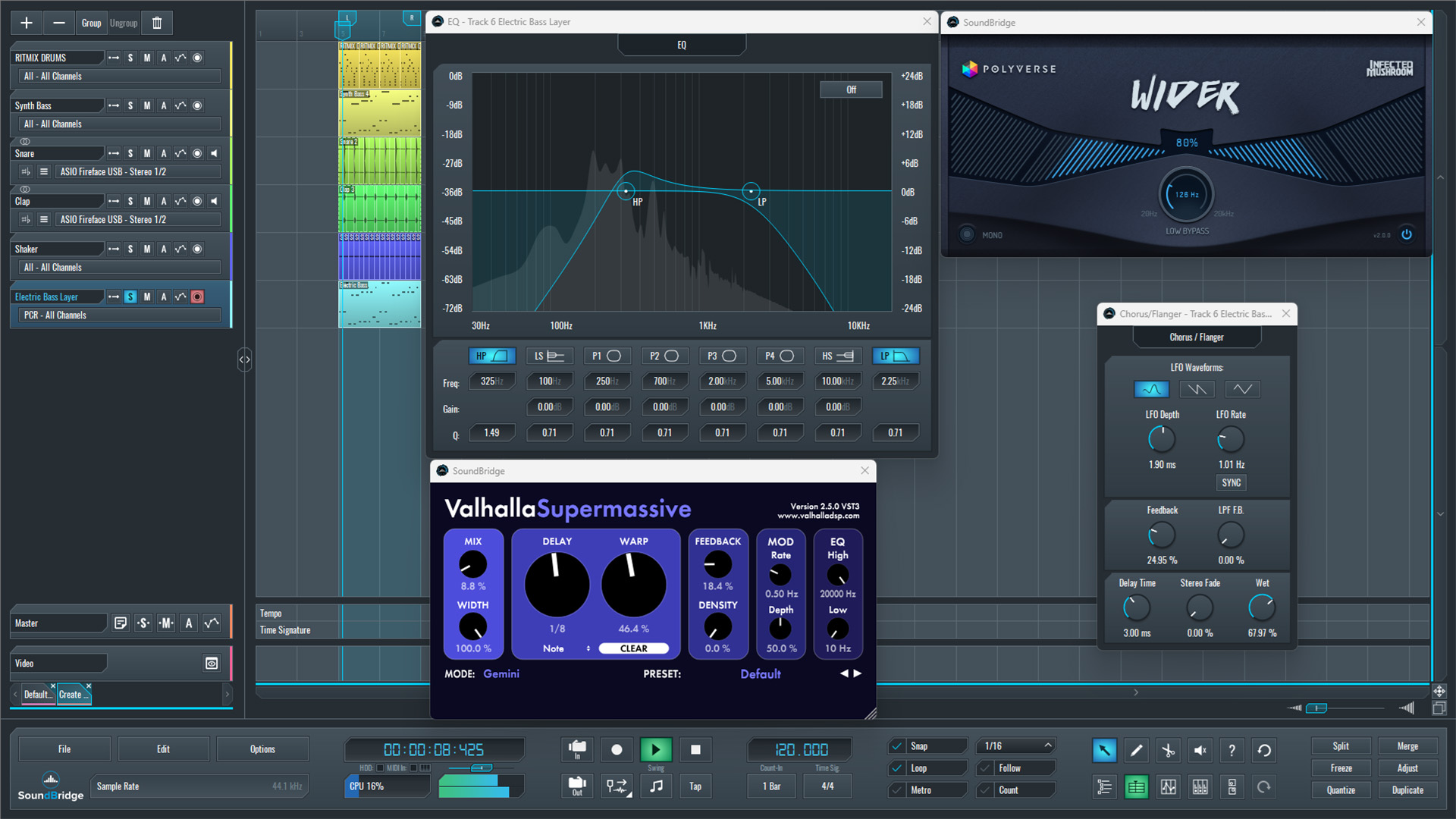
~Synth & Electric Bass Layer - Solo
Final Thoughts
Once all of these stages are combined, the electric bass no longer feels like a separate sound layered on top. Instead, it becomes part of the overall low-end structure, adding movement, warmth, and a more organic feel to the groove. At this stage, both bass layers are played back together in the context of the full mix, alongside the drums and the remaining musical elements. Listening to the result as a whole reveals the real purpose behind this type of layering approach.
On its own, the synth bass provides stability, controlled sub frequencies, and a clean foundation. The electric bass layer, on the other hand, introduces movement, harmonic detail, and a more human character. Individually, each layer has limitations, but together they create a low-end that feels deeper, wider, and more organic. One of the most important aspects of this process is separation of roles. The synth bass remains responsible for the low-end consistency, while the live bass fills out the midrange and adds texture around it. Because of this, the mix feels richer without becoming muddy or overloaded.
Processing also plays a major role in making the layers work together. Small amounts of reverb, chorus, saturation, EQ shaping, and stereo widening help transform the electric bass from a raw recording into something that naturally complements the synthetic layer. The final result is not simply a louder bass, but a more expressive one. By combining synthetic precision with organic movement, the groove gains more depth and personality while remaining controlled and mix-ready.
~Full Mix - Bass Layers (Processed)
If you liked this article, here are some more on the same subject:
MASTER MUSIC PRODUCTION
Expert-led courses designed to take you from fundamentals to finished tracks.

HOUSEFrom bouncy bass and solid kicks, this course teaches you the most modern House music production techniques needed to succeed and stand out.

TRAPQuit sounding like generic Trap and produce something World with hints of the Far East. Create ethnic soundscapes to put your Trap ahead of the curve.

AMBIENTProduce relaxing, sophisticated psy-influenced ambient. Psychedelic and relaxing to listen to, create meditative soundscapes to put your listeners in Zen.