

Simple Tricks For Making Better Melodies
Last Edited: Nov 30, 2023
Good melodies are the building blocks of great-sounding music that sticks in people's heads. You don't hum the groove. You hum the melody. The following tutorial will show you a few quick tips for crafting better melodies.
As usual, we prepared a short sequence in our SoundBridge: DAW. It includes most of the significant elements of a full mix. Let's take a listen to it.

A melody is partly defined by the following elements: contour, range, intervals, structure, and scale. This time, we will only cover a few of them, which are required to compose a melody in the particular music genre we are dealing with.
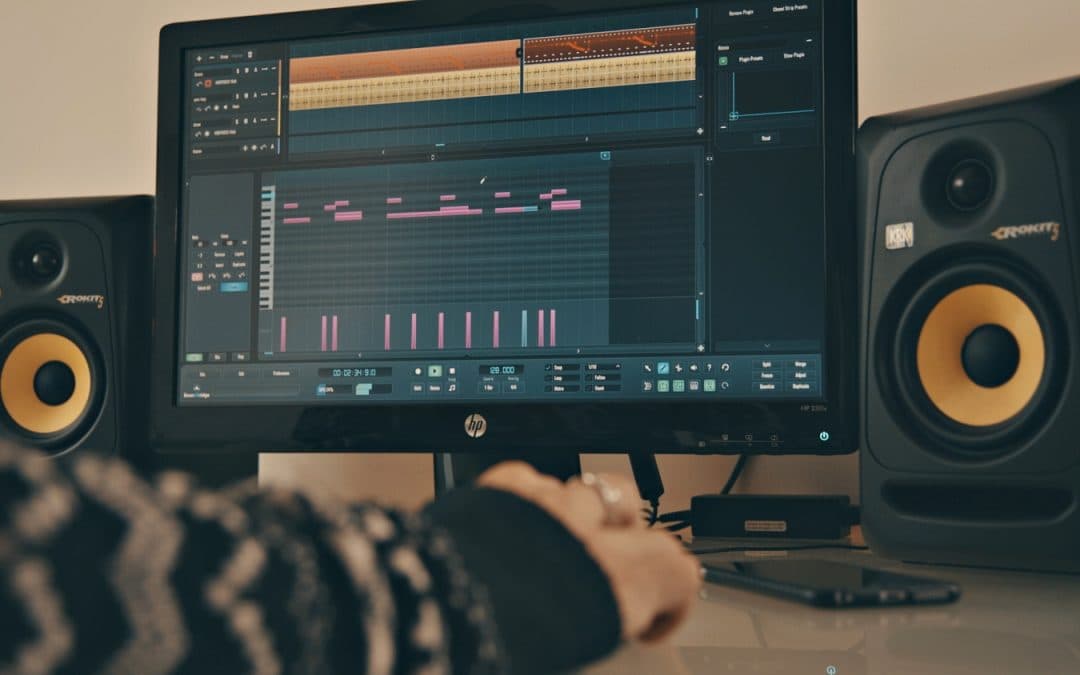
After creating a new MIDI channel and selecting the appropriate sound for our melody, let's navigate to the MIDI editor window to begin composing the melody's foundation.

Foundation of Good Melodies
In the image above, we have created a rhythmic foundation for our melody. It's a simple sequence from which we will continue to develop the range and contour. Let's have a listen to it.

A memorable melody follows a line that ascends or descends. There is no specific formula. You don't need an ascending and descending contour, nor a certain number of drops or leaps. It's just a matter of preference. However, you will discover that different shapes evoke various emotional responses from the listener. Now that we have modified the pitches to create a specific contour., let's listen to our melody
After completing the rhythm and contour of the melody, we can move on to the last step, where we will address the melody's structure and variations. Good melodies often have a system with two contrasting parts (A and B) and possibly a third resolving part (C). Consider this as a "call and response" type of scheme. It would look like the melody below, which includes additional flair using gliding notes and chords here and there.

Once satisfied with every aspect of our melody, we may further process its sound using effects such as delay, reverb, and automation.
Let's hear the final result solo and in context with the rest of the mix.
If you liked this article on melody creation and processing, here are some more on the same subject:
- Convert Your Rhythm to Melody
- Add Accents to Your Melody With Percussion Sounds
- Make an Evolving Synth Lead
- Add Movement to Your Synth Leads
MASTER MUSIC PRODUCTION
Expert-led courses designed to take you from fundamentals to finished tracks.

HOUSEFrom bouncy bass and solid kicks, this course teaches you the most modern House music production techniques needed to succeed and stand out.

TRAPQuit sounding like generic Trap and produce something World with hints of the Far East. Create ethnic soundscapes to put your Trap ahead of the curve.

AMBIENTProduce relaxing, sophisticated psy-influenced ambient. Psychedelic and relaxing to listen to, create meditative soundscapes to put your listeners in Zen.