

SoundBridge Virtual Collaboration: A Modern Remote Workflow
Last Edited: May 25, 2026
In this article, we will explore how virtual collaboration is changing music production workflows. We will also examine how different remote collaboration systems approach online production. And finally, we will take a closer look at how SoundBridge Virtual Collaboration fits into the modern landscape of remote music creation. Modern music production has evolved far beyond traditional studio environments. Producers, vocalists, sound designers, and mix engineers now collaborate from different cities, countries, and time zones without needing to be in the same physical space. What once required expensive studio sessions and complicated file exchanges can now happen almost instantly through online collaboration workflows.
As remote production continues to grow across electronic music, songwriting, podcasting, and multimedia audio projects, virtual collaboration tools inside modern DAWs have become increasingly important. Today's producers and musicians are not only looking for stable audio performance. They also desire collaboration systems that allow ideas to move quickly between remote sessions without interrupting the creative process. Different DAWs approach remote collaboration in very different ways. Some platforms focus heavily on traditional studio-style recording environments with advanced routing, monitoring, and engineering tools. Others prioritize streamlined collaboration systems designed to simplify session sharing between producers and remote musicians.
SoundBridge Virtual Collaboration takes a more streamlined approach focused on accessibility, flexibility, and direct interaction during sessions. Instead of building collaboration entirely around complex studio infrastructure, SoundBridge emphasizes a faster, more approachable experience for producers working remotely on music projects.
Key Takeaway Points
|
Point |
Details |
|
Remote collaboration workflows |
Modern music production increasingly relies on fast, flexible online collaboration among producers, engineers, and creators. |
|
Different workflow philosophies |
Some DAWs focus on traditional studio-oriented remote recording, while others prioritize streamlined creative collaboration. |
|
Technical complexity |
Advanced remote recording systems often require more configuration for routing, monitoring, and session management. |
|
Streamlined collaboration |
Integrated collaboration systems can help producers exchange ideas faster while reducing setup interruptions during remote sessions. |
|
SoundBridge VC approach |
SoundBridge Virtual Collaboration combines integrated communication, synchronized sessions, and intuitive remote collaboration tools inside a single production environment. |
How Virtual Collaboration Is Changing Music Production
Modern music production increasingly relies on fast, flexible online collaboration among producers, engineers, and creators. Some DAWs focus on traditional studio-oriented remote recording, while others prioritize streamlined creative collaboration. Advanced remote recording systems often require more configuration for routing, monitoring, and session management.
Integrated collaboration systems can help producers exchange ideas more quickly while reducing interruptions during remote sessions. SoundBridge Virtual Collaboration combines integrated communication, synchronized sessions, and intuitive remote collaboration tools inside a single production environment.
Traditional Remote Recording vs Modern Creative Collaboration
As online production became more common, remote collaboration systems also began evolving in different directions. Some platforms continued building on traditional recording studio structures, while others adapted to the faster, more flexible production styles used by modern producers.
In traditional remote recording environments, collaboration often centers on controlled recording sessions, detailed monitoring systems, synchronized playback, and engineer-managed workflows. These systems are especially useful for professional recording sessions where precision and session organization are critical.
At the same time, a newer generation of producers started approaching collaboration differently. Instead of recreating a traditional studio remotely, many creators needed a faster way to exchange ideas, continue unfinished projects, share arrangements, or build tracks together online without interrupting the creative process.
This shift gradually changed what many producers expect from remote collaboration systems. For smaller studios, independent artists, and electronic music creators, session speed and ease of use can often become more important than highly technical studio management features.
Understanding Different Virtual Collaboration Workflows
Not all virtual collaboration systems are designed around the same type of production environment. Some systems are built primarily for recording engineers and structured studio sessions, while others focus more on accessibility, speed, and direct interaction between producers and musicians.
This difference becomes especially noticeable during real-world production sessions. In some environments, collaboration may involve detailed setup procedures, routing configuration, and technical session management before production can begin. In others, the focus is placed on reducing interruptions and allowing collaborators to exchange ideas as quickly as possible.
As remote production becomes part of everyday music creation, many producers are now looking for collaboration tools that feel less technical and more integrated into the production session itself.
Exploring the SoundBridge Virtual Collaboration
SoundBridge Virtual Collaboration approaches remote music production as a fully integrated part of the DAW environment rather than a separate external process or third-party utility. Instead of relying heavily on third-party communication platforms, cloud-sharing services, or repeated export cycles, the system keeps producers and musicians connected directly inside the same session.
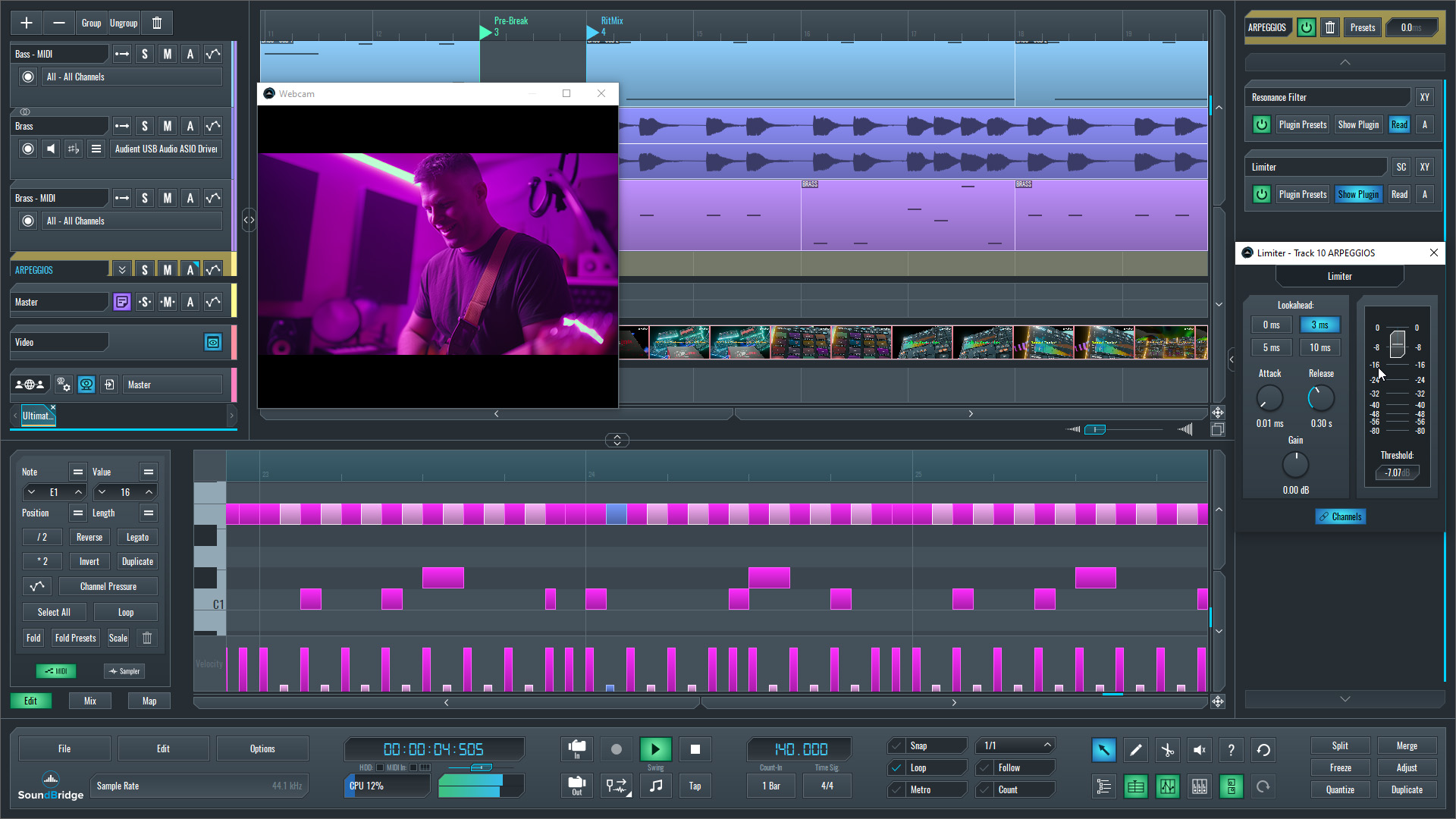
The workflow combines synchronized remote sessions with built-in communication tools. This combination allows producers and remote musicians to interact in real time within the same session environment. Video communication, integrated collaboration panels, synchronized transport behavior, remote recording interaction, and shared session control all contribute to a workflow that feels closer to working together inside the same studio space. These features allow musicians to collaborate remotely without relying heavily on multiple external communication or file-sharing platforms during active sessions.
Once connected, each participant assumes a specific role in the collaboration session. The user who creates and shares the session token becomes the host (typically the producer managing the main project). The host controls key global parameters such as tempo, time signature, and position markers. The second participant joins as a guest, usually a remote musician or collaborator. Both parties have their overall project metadata synchronized, including tempo changes, time signature automation, and arrangement markers.
Why SoundBridge's Virtual Collaboration Workflow is Unique
SoundBridge VC introduces sample-accurate synchronization between sessions, helping producers and musicians stay aligned during remote recording, playback, and arrangement changes throughout the collaboration.
One of the more noticeable aspects of the system is its emphasis on reducing interruptions during active production sessions. Rather than constantly switching between messaging apps, file exports, screen sharing, and project transfers, collaborators can remain focused on the production process itself while exchanging ideas, edits, recordings, and arrangement changes more directly.
SoundBridge VC is built around keeping producers and musicians connected inside a single, synchronized collaboration environment rather than spreading the session across multiple external tools. Instead of separating communication, project sharing, recording, and editing across different platforms, the system integrates them directly into the DAW workflow.
Workflow Elements That Shape the Collaboration Experience:
- Synchronized Remote Sessions
The host controls the main project environment, including tempo, time signature, and position markers. On the other hand, the guest session remains synchronized to the producer's project structure during collaboration.
- Integrated Communication Tools
Built-in video, talkback, and communication features allow collaborators to interact directly without relying heavily on external apps.
- Remote Recording Workflow
The system supports remote recording of interactions directly within the collaboration environment during online sessions.
- Integrated Collaboration Environment
SoundBridge VC approaches collaboration as a shared creative workspace where collaborators can develop projects together in real time.
- Reduced Workflow Fragmentation
By reducing dependence on multiple external tools, the workflow feels more streamlined and easier to manage.
- Sample-Accurate Synchronization
Sessions remain synchronized during playback, recording, and arrangement changes, helping collaborators stay aligned throughout remote production sessions.
- Integrated File and Block Transfer
Files, recordings, and project elements can be exchanged directly within the collaboration environment, reducing the need for repeated exports and uploads.
Latency Handling During Remote Sessions.
It's also important to understand how latency is handled. The host, or producer, receives a latency-compensated preview of the guest musician's real-time performance. Because of this, recording from host to guest may introduce latency issues. However, recording from guest to host uses zero-latency buffering, allowing a seamless monitoring experience for the musician. In essence, latency compensation provides the producer with the feeling of a real-time 'live room' performance, while the buffering method ensures zero-latency monitoring for the musician. This approach helps SoundBridge VC maintain a more natural remote recording experience while reducing monitoring friction during online sessions.
Traditional Studio-Oriented Virtual Collaboration Workflows
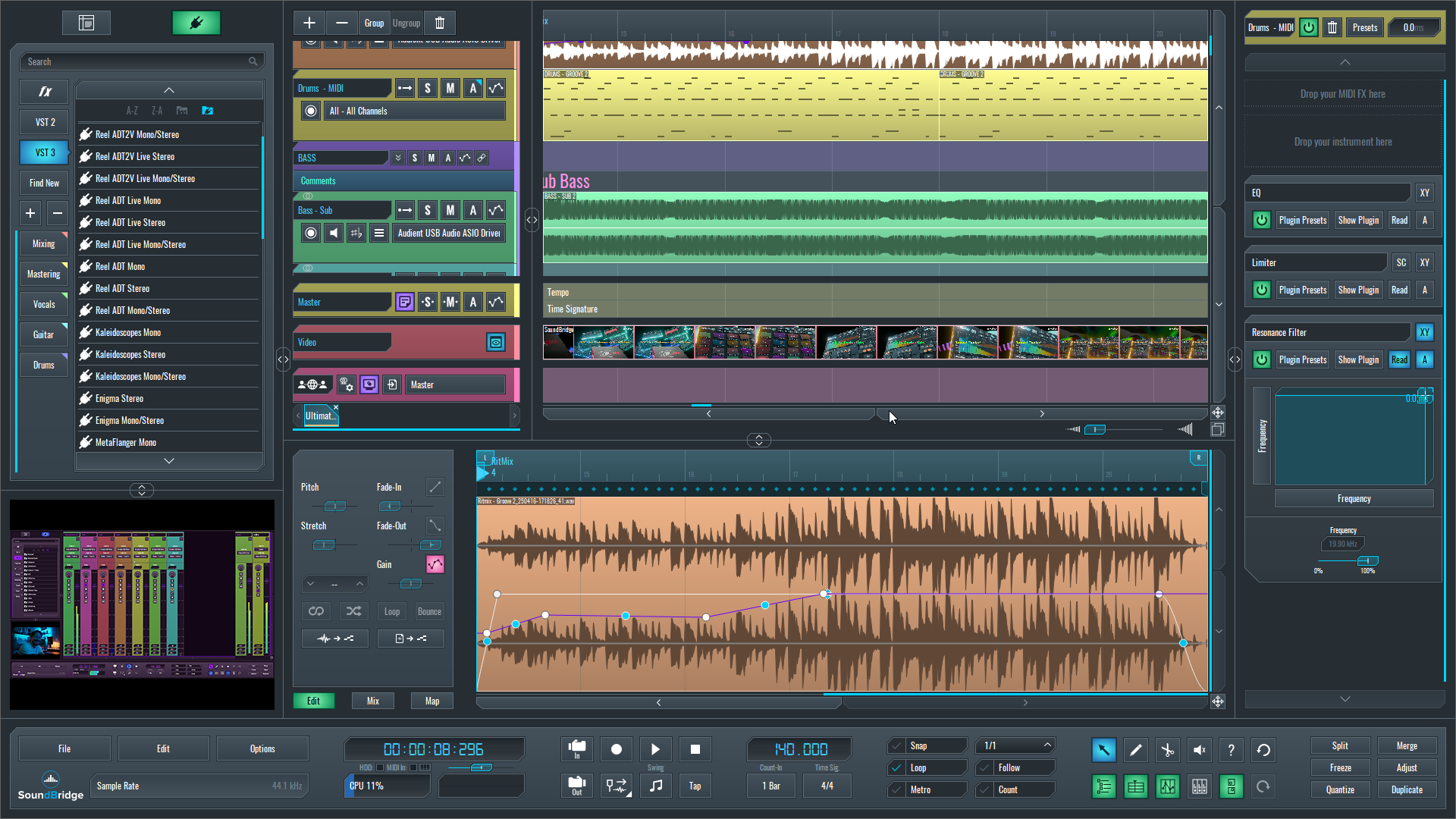
One example of a more traditional remote recording approach is Steinberg VST Connect. Designed primarily for Cubase and Nuendo environments, the system focuses on structured remote recording sessions among engineers, producers, and performers within the Steinberg ecosystem. The workflow includes features such as remote performer monitoring, session synchronization, cue mixes, recording control, and detailed routing options. These features are all particularly useful in professional studio environments. For larger recording sessions where precision and engineering control are critical, this type of infrastructure can provide a highly organized remote production workflow. At the same time, these systems can introduce a steeper learning curve for first-time users who may not be familiar with complex studio routing, synchronization, and remote session management within larger DAW ecosystems.
Depending on the workflow, collaborators may need to manage routing structures, monitoring configurations, synchronization settings, and external communication tools before the production process can begin smoothly. In some cases, both participants may need access to the same DAW ecosystem and additional remote collaboration subscriptions. This limitation potentially increases onboarding complexity and overall session costs for smaller studios and independent creators. For many modern producers working from home studios, mobile setups, or independent production environments, collaboration workflows have gradually shifted toward faster, more streamlined interactions, with the creative process remaining the central focus.
This modern evolution is one of the areas where SoundBridge VC takes a notably different approach, combining professional remote collaboration technology with a more intuitive, accessible session environment that reduces setup friction for both producers and remote musicians.
Pricing and Accessibility Considerations
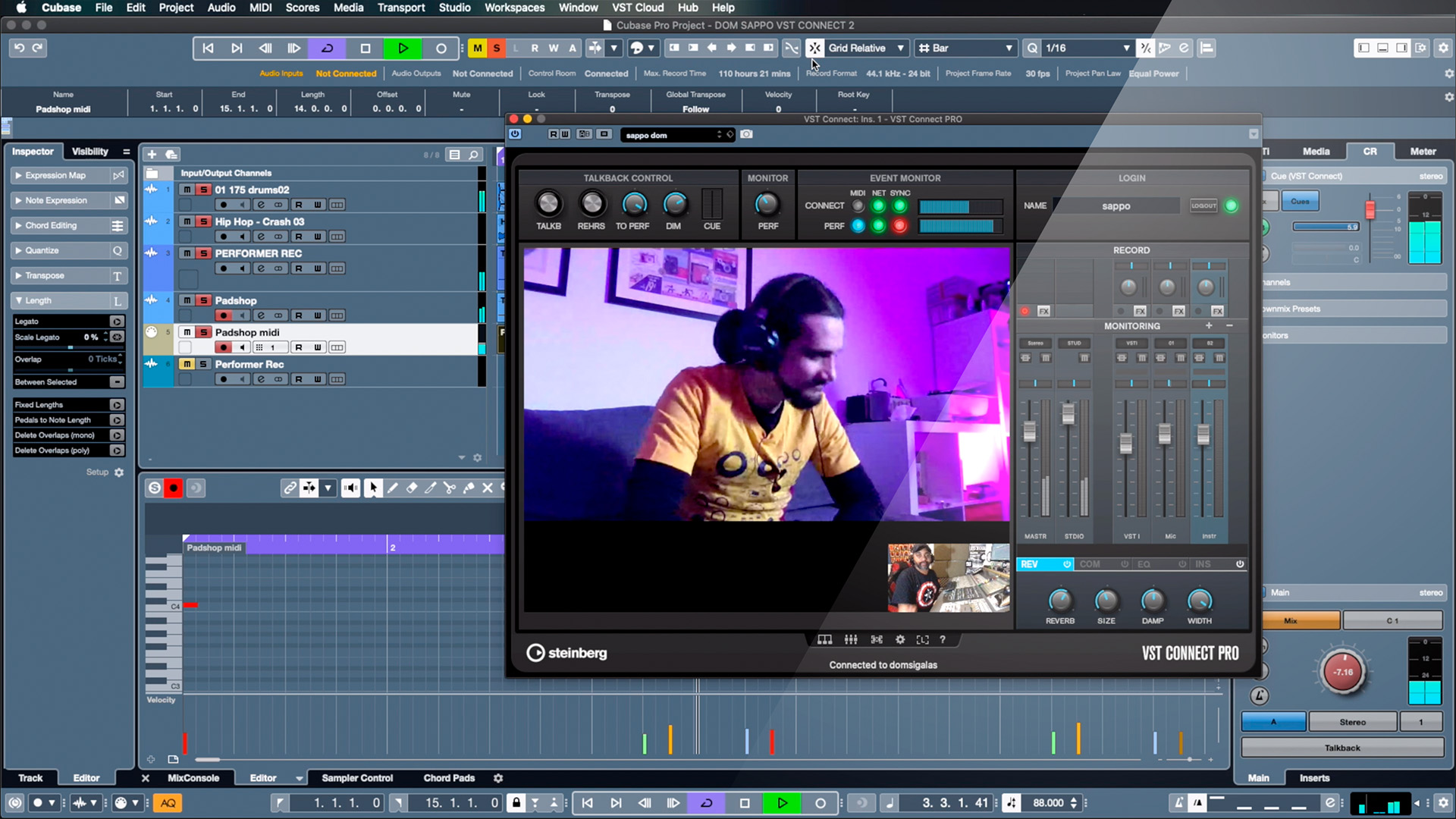
Pricing can also become a major factor when choosing a remote collaboration system. A professional Cubase and VST Connect setup can cost around $579 for Cubase Pro and $199 for VST Connect. resulting in significantly higher onboarding costs for remote collaboration workflows.
SoundBridge takes a more accessible approach, offering its Everything Bundle for $9.99 per month or a $199.99 lifetime license, while integrating Virtual Collaboration directly into the platform.
For smaller studios, independent producers, musicians, and first-time users, this type of integrated collaboration environment can reduce both technical friction and overall onboarding complexity during remote sessions.
| Workflow Feature | SoundBridge VC | Traditional Studio-Oriented Systems |
| Collaboration Style | Integrated Creative Workflow | Structured Recording Workflow |
| Session Setup | Integrated and Accessible | More Configuration-Focused |
| Communication Workflow | Built-In Video, Talk, and Session Tool | Often Combined With External Tools |
| Creative Flexibility | Fast and Immediate | More Structured |
| Workflow Focus | Producer-Oriented Collaboration | Engineer-Oriented Session Control |
| Remote Session Experience | Intuitive and Streamlined | More Technical and Routing-Focused |
| Project Interaction | Shared Creative Workspace | Recording Session Management |
| Production Flow | Reduced Setup Friction | More Session Administration |
| Best Fit | Modern Producers and Creators | Large Studio Recording Environments |
| Learning Curve | Easier for First-Time Users | Steeper Learning Curve |
| Collaboration Access | All-In-One Integrated Environment | DAW and Subscription Dependent |
Why Workflow Simplicity Matters in Modern Music Production
Modern production sessions often move quickly between recording, editing, arrangement changes, feedback, and real-time collaboration. Because of this, many producers now prefer collaboration systems that reduce setup friction and keep sessions focused on creativity rather than on technical session management.
In smaller studios and independent production environments, integrated collaboration tools can help producers and musicians exchange ideas more quickly, continue projects more efficiently, and maintain creative momentum during longer sessions. Instead of constantly switching between external communication apps and cloud storage platforms and repeatedly exporting or uploading files, many modern creators now look for virtual collaboration environments that keep production more centralized and direct.
As remote music production continues evolving, workflow simplicity is becoming an increasingly important part of the overall creative experience.
For many independent creators and smaller studios, ease of use and faster onboarding are becoming increasingly important when choosing remote collaboration tools. Systems that simplify communication, synchronization, recording, and session management inside a single environment can often create a more natural production experience during long remote sessions.
Choosing the Right Collaboration Workflow
The ideal remote collaboration system ultimately depends on the type of production environment, technical experience, and creative process involved. Larger studio recording sessions may still benefit from highly structured remote systems. It suits them because these systems focus on engineering control, routing flexibility, and detailed session management.
Many modern producers, beatmakers, songwriters, and independent creators now prefer collaboration environments that feel faster, more intuitive, and easier to integrate into everyday production sessions. As online collaboration becomes more common across the industry, integrated remote collaboration environments are increasingly becoming part of how modern music is created, recorded, and shared online.
Final Thoughts
Virtual collaboration is rapidly becoming a standard in modern music production. Different DAWs approach remote collaboration from very different technical and creative perspectives. While some systems continue focusing on traditional studio-oriented recording environments, newer collaboration platforms are placing greater emphasis on accessibility, integrated communication, intuitive session management, and reduced setup friction.
SoundBridge Virtual Collaboration represents a more integrated approach that combines communication, synchronized sessions, remote recording, and collaboration tools directly within the DAW environment. For many modern producers and creators working remotely, this type of integrated collaboration environment can offer a faster, more intuitive, and more accessible way to collaborate without sacrificing professional-level session control and synchronization.
Recommended
MASTER MUSIC PRODUCTION
Expert-led courses designed to take you from fundamentals to finished tracks.
HOUSEFrom bouncy bass and solid kicks, this course teaches you the most modern House music production techniques needed to succeed and stand out.
TRAPQuit sounding like generic Trap and produce something World with hints of the Far East. Create ethnic soundscapes to put your Trap ahead of the curve.
AMBIENTProduce relaxing, sophisticated psy-influenced ambient. Psychedelic and relaxing to listen to, create meditative soundscapes to put your listeners in Zen.