

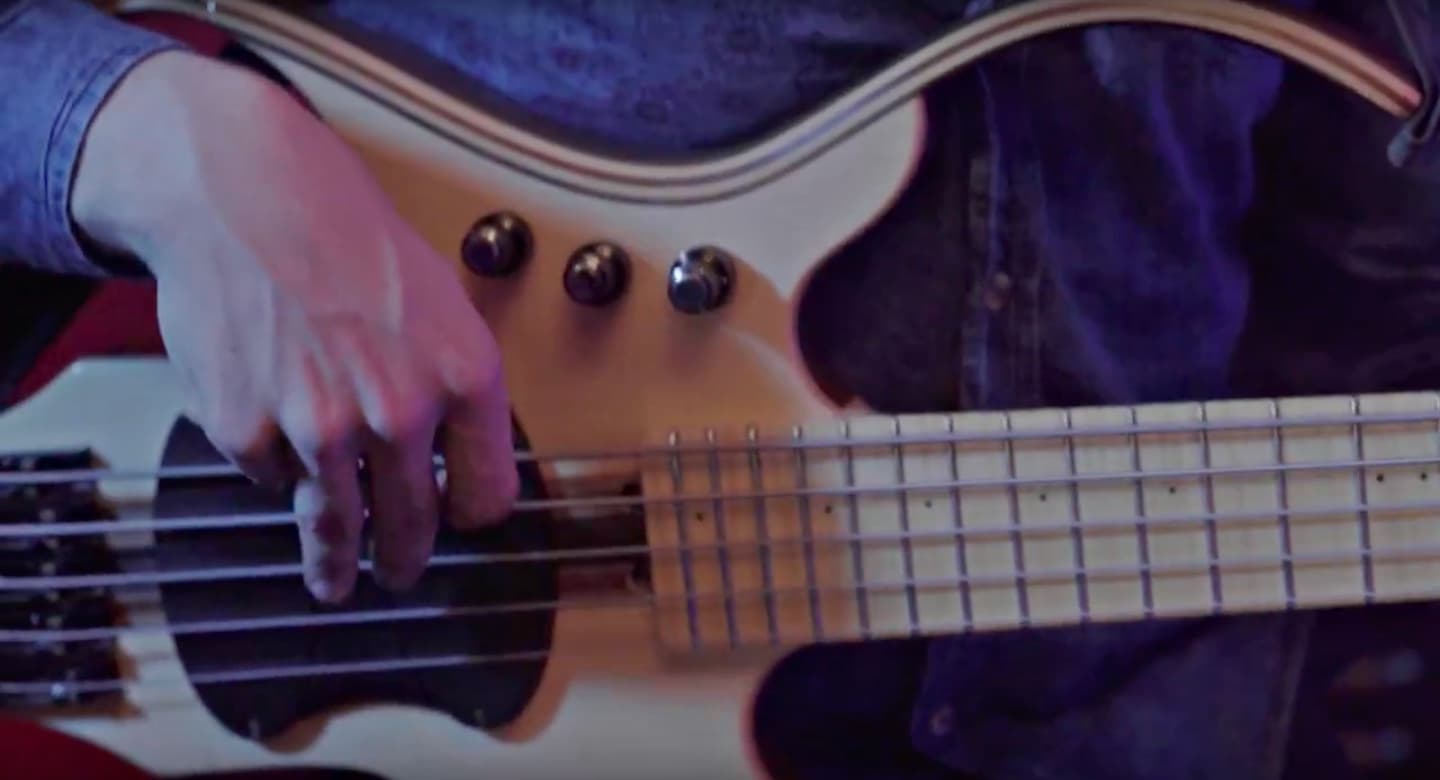
Take Control of Your Bass
Last Edited: Dec 2, 2023
Volume is an essential parameter for controlling and modifying music production. For instance, volume control, or gain, is always the first step in track mixing. Back in the day, sound engineers spent countless hours controlling the volume of the vocal sequences manually. In the first place, the sibilance sounds produced by the vocalists had to be tamed and taken to the right level. However, we were introduced to software plugins in recent years, which made this time-consuming process much more comfortable. One of these plugins is Bass Rider by Waves Audio. For this reason, we decided to dedicate the following tutorial to this fantastic plugin.
Waves Bass Rider
Bass Rider is an innovative, easy-to-use plugin that rides bass levels automatically. A real timesaver with dedicated studio and live components, Bass Rider keeps bass levels in check and solid throughout your mix. Unlike a compressor, Bass Rider works note by note without disturbing their inner dynamics, so they sustain and decay naturally. For example, I made a short bass sequence using the bass guitar in the SoundBridge: DAW. Let's hear how it sounds.

~Bass sequence - Unprocessed
Next, I will add a new instance of Bass Rider on the Bass sequence channel. Upon opening it, we see a straightforward interface containing only super useful parameters. So, I'll go through them to better explain their practical use.

Target
Use the target to set up your bass level range. For the best and most transparent results, the bass level needs to be on the average input level of your bass input. Higher areas are going to result in higher gain and higher overall loudness.
Detect
Contains control for note detection is how Bass Rider detects note attack, sustain, and release to work out the best gain leveling for each note it hears.
Artifacts
Artifacts describe parts of the signal that trigger detection but are not necessarily part of the audio we want to ride. Moreover, they can include string buzz, transient noises, string slides, and even modulation between some individual notes.
Spill
If you use the Bass Rider on a bass that has been recorded with a mic, there is always a possibility that you will get some spills from other instruments. This naturally ends up on the audio tracks. These spills may be detected as notes. However, you can use spill control to avoid the detection of a spill signal if it becomes a problem. In the end, after explaining the main parameters controls of the Bass Rider and setting the parameters, let's hear how it affected the original Bass sequence.
~Bass Sequence - Processed with Bass Rider
MASTER MUSIC PRODUCTION
Expert-led courses designed to take you from fundamentals to finished tracks.

HOUSEFrom bouncy bass and solid kicks, this course teaches you the most modern House music production techniques needed to succeed and stand out.

TRAPQuit sounding like generic Trap and produce something World with hints of the Far East. Create ethnic soundscapes to put your Trap ahead of the curve.

AMBIENTProduce relaxing, sophisticated psy-influenced ambient. Psychedelic and relaxing to listen to, create meditative soundscapes to put your listeners in Zen.