

Transient Processing with Mid-Side Technique
Last Edited: Jul 24, 2025
In this expanded guide, you’ll learn not just the “what” and “why,” but the “how” and “when” of mid-side transient shaping—complete with pro tips, alternative tools, and creative applications.
Transient processing with a mid-side technique is somewhat easy. When drums feel wide but lack punch, it’s often because their transients are spreading too far across the stereo field.
Why Transients and Transient Processing Matter
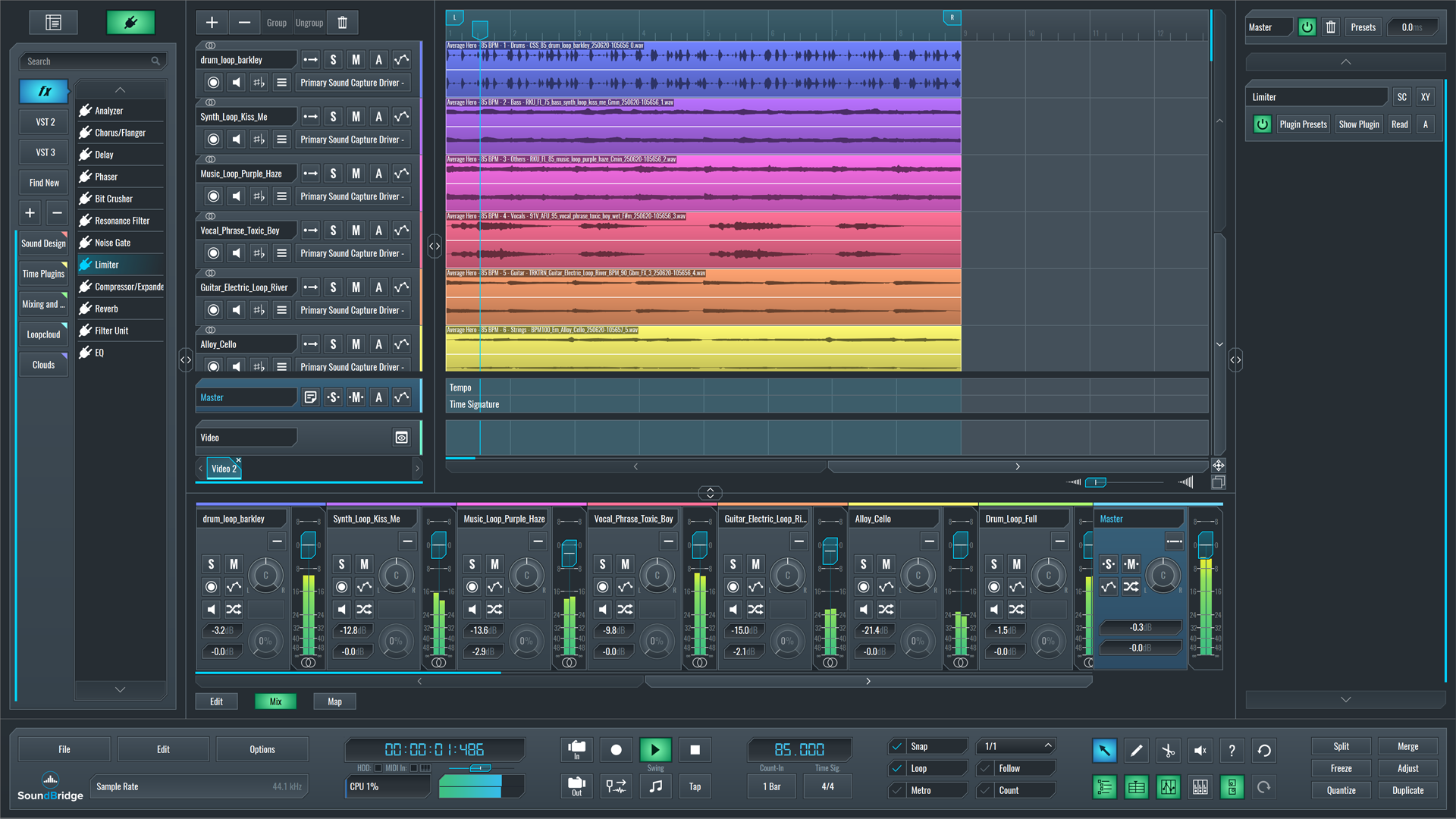
First and foremost, transients are the bursts of energy at the very beginning of a sound—think, for example, of the crack of a snare, the pluck of a string, or the click in a vocal consonant. Although they’re fleeting, they nevertheless define the rhythm, attack, and presence of a sound. Consequently, without well-shaped transients, a mix can sound muddy and lifeless—much like clapping with mittens on.
Producers typically shape transients using tools like compressors, EQ, or transient shapers. But when stereo imaging is part of the problem, basic processing isn't enough.
The Problem: Too Much Stereo in the Wrong Place
Let’s say we’re working with a drum loop that feels wide — perhaps even a bit too expansive. While that stereo width initially adds character, when the left and right channels exhibit different transients, it ultimately diffuses the impact. In particular, drums — especially the kick and snare — thrive on focused energy. Consequently, misaligned stereo transients blur that precise punch.
~Drum Loop 1 (Unprocessed)
~Drum Loop 2 (Unprocessed)
~Full Song (Drum Loops Unprocessed)
Enter: Mid-Side Processing
Mid-side (M/S) is a technique that separates your stereo signal into two components:
- Mid: The center — everything that’s shared between the left and right channels. Vocals, bass, and other centrally panned elements live here.
- Side: The difference — content that’s unique to the left or right channels, like ambiance or panned instruments.
By processing each independently, you get creative control over stereo width and balance — ideal for fixing the stereo transient problem.
The Fix: Tuning Transients with Mid-Side Shaping
Using a free plugin from Wavesfactory, we can split the signal into mid and side bands and adjust the transients and sustain individually for each.
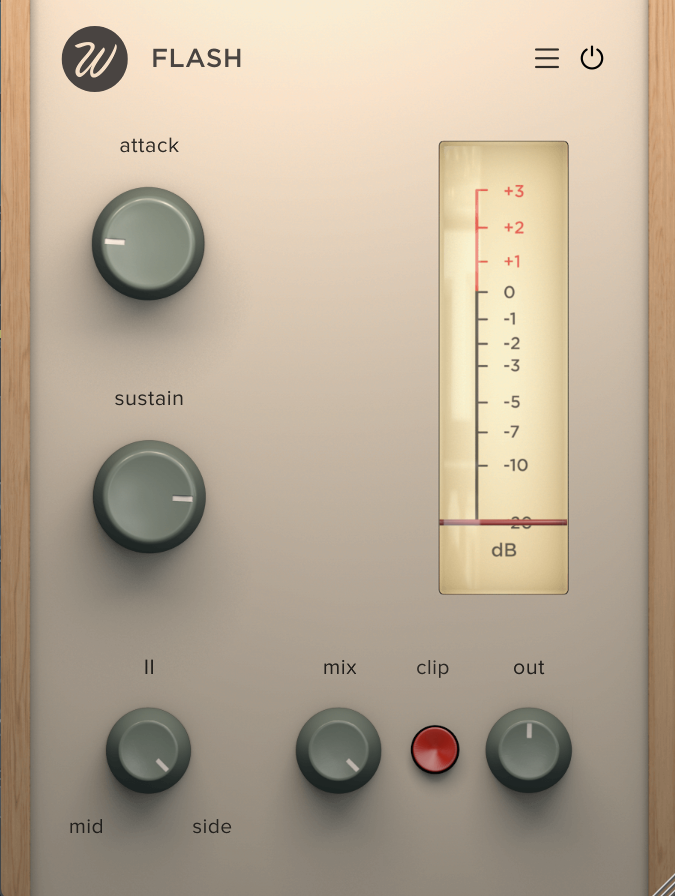
Here’s the game plan:
- Instance One (Mid Channel): Boost the transients, reduce the sustain.
- Instance Two (Side Channel): Reduce the transients, slightly boost the sustain.
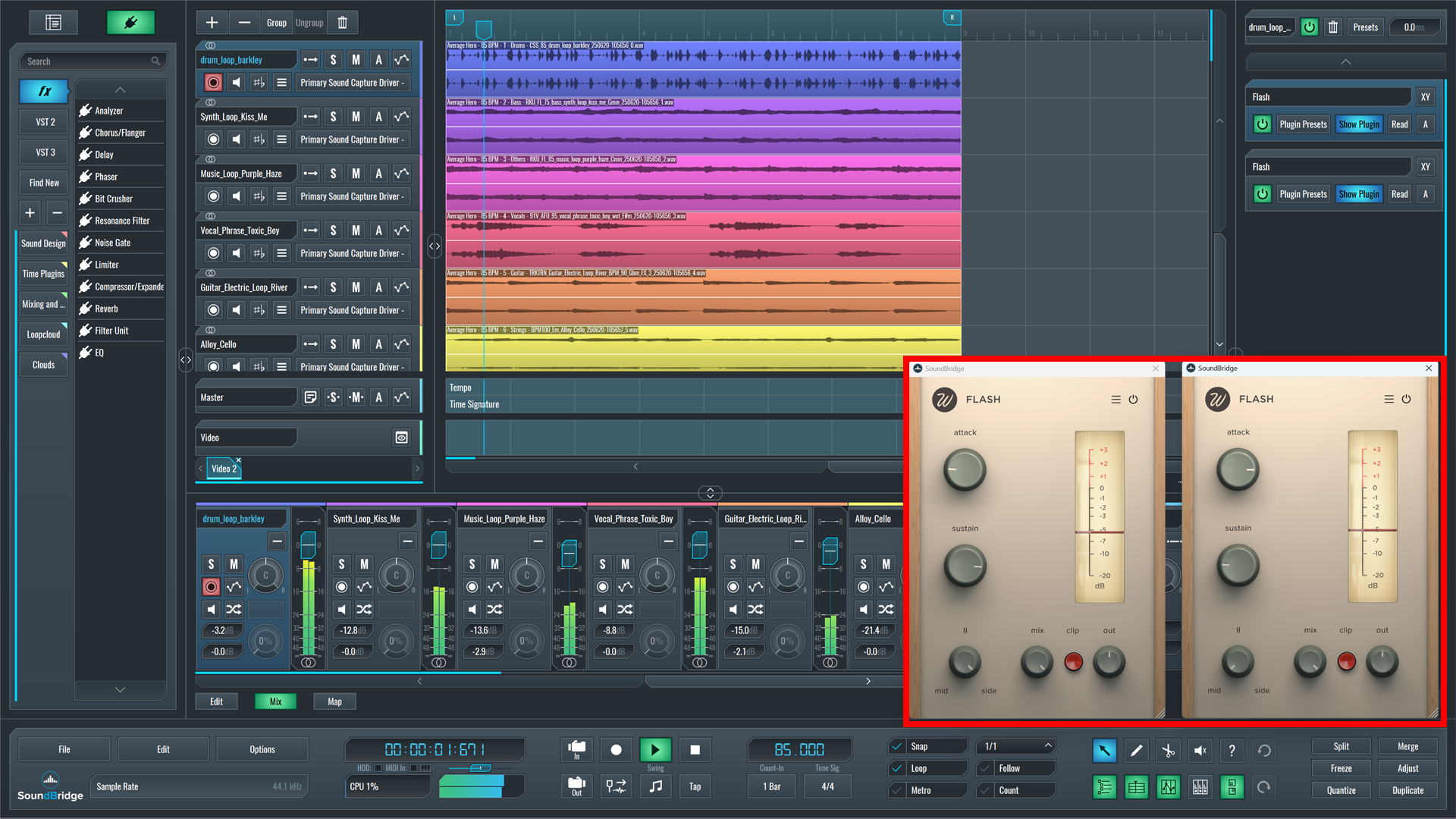
This strategy pulls the impact of the drums toward the center, giving them more punch and cohesion, while allowing the tails and ambiance to bloom outwards in the stereo field.
~Drum Loop 1 (Processed)
~Drum Loop 2 (Processed)
~Full Song (Drum Loops Processed)
The Result of Transient Processing with Mid-Side Technique
Once both plugin instances are engaged, the result is immediately striking: the drum transients become not only tighter but also markedly cleaner, and consequently hit much harder. Moreover, while the stereo information remains intact, it now actively enhances the groove instead of muddying it.
Furthermore, if you really want to go deeper, you might also try applying this technique to other instruments with wide stereo content—such as synth stabs or layered guitars—and in doing so, you’ll hear how mid-side processing can not only clarify your mix but also preserve its spacious width.
If you liked this article on audio processing, here are some more on the same subject:
MASTER MUSIC PRODUCTION
Expert-led courses designed to take you from fundamentals to finished tracks.

HOUSEFrom bouncy bass and solid kicks, this course teaches you the most modern House music production techniques needed to succeed and stand out.

TRAPQuit sounding like generic Trap and produce something World with hints of the Far East. Create ethnic soundscapes to put your Trap ahead of the curve.

AMBIENTProduce relaxing, sophisticated psy-influenced ambient. Psychedelic and relaxing to listen to, create meditative soundscapes to put your listeners in Zen.