


Inside zplane: 25 Years of Shaping Modern Music Production
Last Edited: Dec 17, 2025
In the world of music production software, few companies have shaped the landscape as profoundly as zplane. Their pioneering algorithms—most notably the ELASTIQUE time-stretching and pitch-shifting technology—are at the core of many industry-leading tools, including SoundBridge DAW, where their tech powers seamless audio manipulation for producers worldwide.
To celebrate their 25th anniversary, we spoke with co-founders Tim Flohrer (TF) and Martin Schwerdtfeger (MS) about zplane’s journey, their deep collaboration with SoundBridge, the evolution of their plugins, and what the future holds in the era of AI-powered music production.
Founding Story & Musical Background
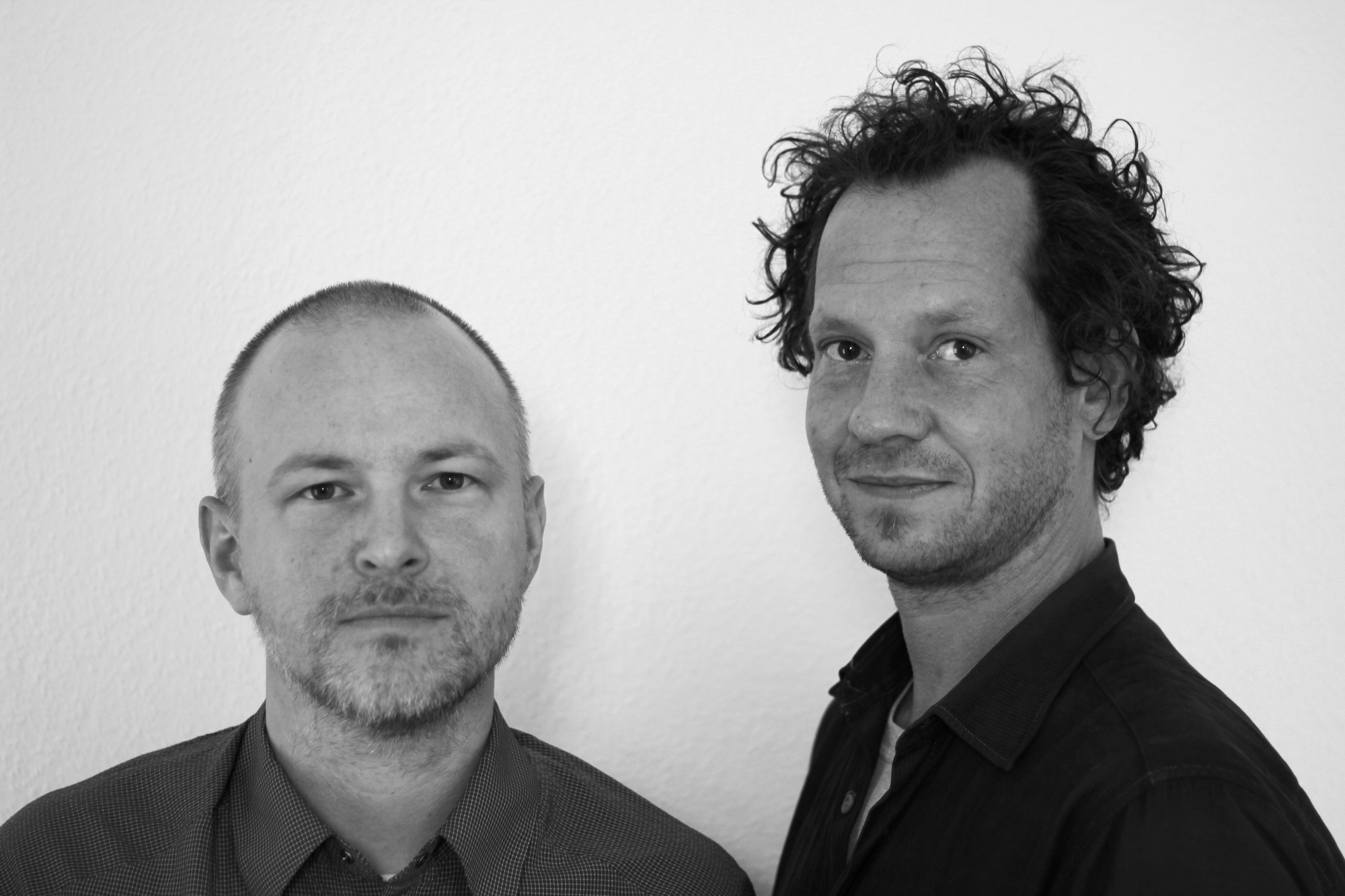
Let’s start at the beginning—how did the two of you meet, and what led to the founding of zplane?
TF: Martin and I met at elementary school, so we’ve known each other for many years. We both attended the same high school, and subsequently, went to the Technical University of Berlin to study Electrical Engineering. It was here that we met zplane’s other founder in the 90s, Alexander Lerch.
MS: After finishing our studies, we were eager to become our own bosses rather than finding graduate work. Tim, Alexander and I founded zplane.development in January 2000. We just celebrated zplane’s 25th birthday earlier this year.
Was there a specific moment or problem in music production that sparked the idea for zplane?
TF: As Martin mentioned, we wanted to work for ourselves. One of the reasons for this was that it would allow us to develop innovative audio products in our own way.
MS: There weren’t really any specific problems we were trying to solve. We just believed that we could develop innovative audio software solutions in a way that other developers couldn’t.
Before founding zplane, what were your personal backgrounds in music and audio technology?
TF: I was always interested in music and audio, playing the guitar from the age of 16, and later the bass guitar. I’ve played in bands almost continuously since 1990. Aside from playing instruments, I worked at a local youth center as an audio engineer and producer. This is really what led me to study electrical engineering. I was (and still am) more talented at mathematics than I was at music!
MS: Tim certainly had more of a musical background than myself, but I developed a stronger passion for music and audio while studying and, of course, in the early years of zplane. Initially, I was more interested in audio hardware design and DSP programming, something that zplane offered until around 2010. It was based on this interest that I decided to study Electrical Engineering.
How did your experiences as musicians and engineers influence the direction and design philosophy of your products?
MS: I would say a lot! To begin with, we had to restrain ourselves from adding too many features or options to our software products. This came from our understanding that sometimes simplicity is key, and sometimes, you need to focus on a product’s specific elements in order to get the best out of it.
What were some of the biggest challenges you faced in the early days, and how did you overcome them as a team?
TF: Initially, zplane was a service provider for digital signal processing. This presented one main challenge, which was that very few prospective customers trusted our expertise as we were fresh out of university. After some time, we overcame this by adapting our business model to offer software licensing as opposed to individual contract work. In real terms, this meant reducing our rates to clients, and in exchange we would retain the rights to the technology
MS: This turned out to be a mutually beneficial business arrangement. It provided our clients with lower costs and lower risk, while we were free to license the same technology to other clients. In fact, this is how we were able to develop and license our first time-stretching algorithm, ELASTIQUE.
SoundBridge Integration & Collaboration
For a producer using SoundBridge who might not know that zplane tech is under the hood, what’s one thing you’d want them to notice or appreciate?
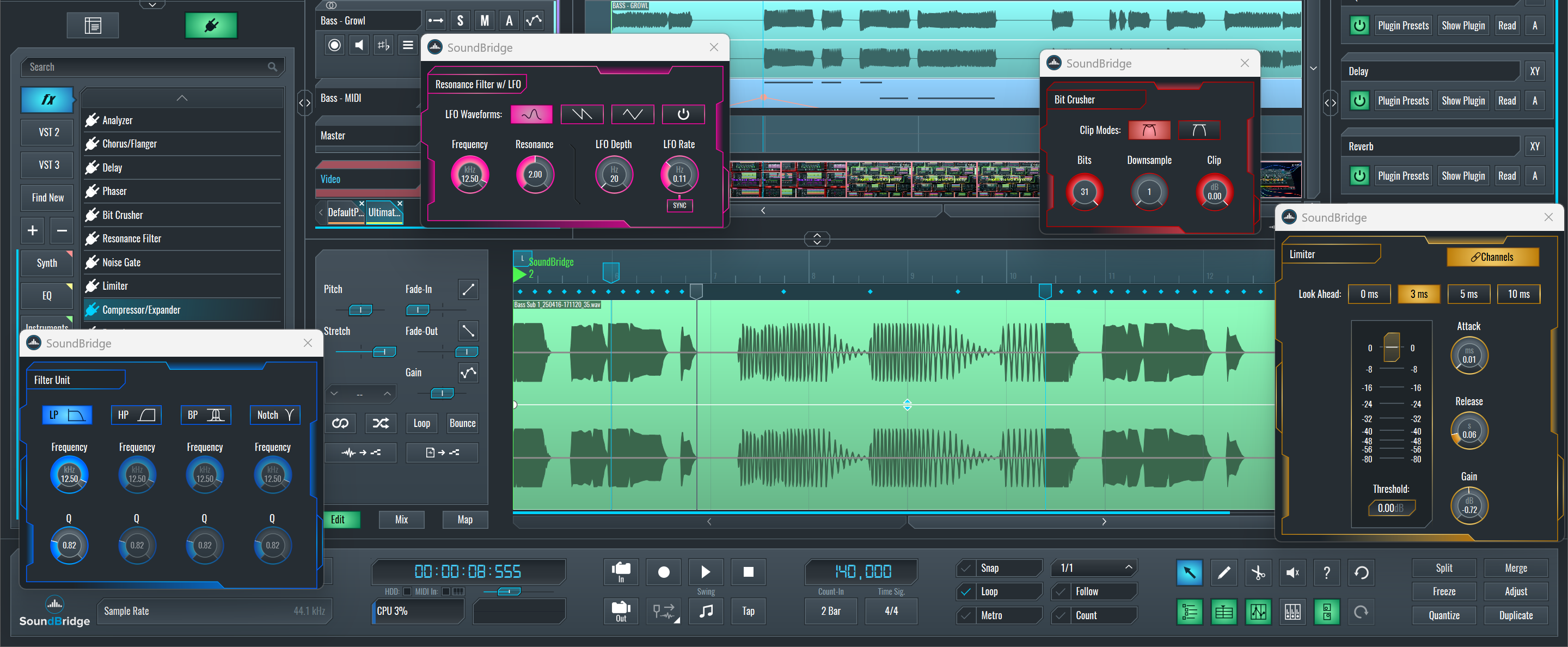
TF: With modern technology, it’s very easy to take certain processes for granted, such as time stretching and pitch shifting. Some producers will be aware that it wasn’t always possible to adjust the pitch of audio without affecting the tempo, and vice versa. Our ELASTIQUE algorithm makes it possible to do this in a very natural and musical way. SoundBridge users might not be aware that much more expensive audio solutions use the same algorithm in their own products, so they’re really using industry-leading technology for free.
MS: It’s also worth noting that there’s more zplane technology in SoundBridge than just the ELASTIQUE PRO algorithm, although this is possibly the most well-known technology from zplane. The automatic beat detection algorithm was developed by zplane, and SoundBridge’s basic audio effects suite also uses zplane technology.
What do you think sets SoundBridge apart from other DAWs in the market today?
TF: We just touched on it there, but having a free tier sets SoundBridge apart from many other DAWs.
MS: Like I mentioned earlier, sometimes simplicity is key, especially in creative practices. It seems that SoundBridge has made it as straightforward as possible for users to access the tools and features they need.
What are your impressions of the SoundBridge team and its founder, Wake Anderson? How would you describe working with him?
TF: We have a really positive partnership with Wake and the team at SoundBridge, and we hope to continue working together for many years to come.
MS: Wake’s passion for music production technology is clear to see, and it’s great to support him and the SoundBridge team in their work. Aside from general support and enquiries, we try to meet Wake at trade fairs as often as we can. It’s always great to catch up with our licensing partners and to hear how the SoundBridge DAW is evolving!
zplane Products & Technical Philosophy
zplane is known for advanced algorithms—how do you balance technical precision with creative usability in your products?
TF: It’s really an iterative process in which we try to consider the user’s perspective and their needs as much as possible. For us, it’s important to avoid impacting their creativity by delivering an unrefined product with too many options. While we have built a solid reputation for the quality of our advanced audio algorithms, those algorithms are not useful to our users unless they’re delivered in an inspiring and creative tool.
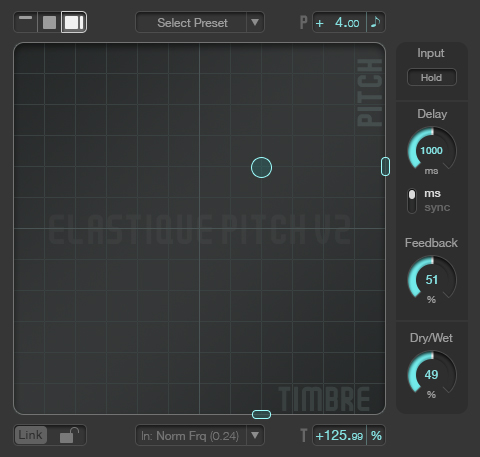
MS: Look at ELASTIQUE PITCH V2 for example. It uses arguably our most well-known algorithm, ELASTIQUE PRO, and packages it in a simple plugin with an intuitive user interface. We are a small team, but we all share a passion for music production and technology, so we can develop a product with the confidence that it will resonate with our users who share the same passion.
Which of your technologies or plugins are you most proud of, and why?
TF: I’d say we’re probably proudest of our ELASTIQUE algorithm as it’s had the biggest impact on modern music technology since its first iteration in 2003.
You support both plugin developers and end users. How do you manage the needs of such different audiences?
TF: As we mentioned, we are a small team, but this allows us to be very agile. We can make decisions quickly, which helps us to keep up in a very dynamic industry. Our team is very knowledgeable, with most of the team coming straight from studying for their masters degree to working at zplane.
MS: Our team is also split into two divisions, with one heading up the licensing side of the business, and the other leading the plugin development side.
What’s one zplane tool you think more producers should be taking advantage of, but often overlook?
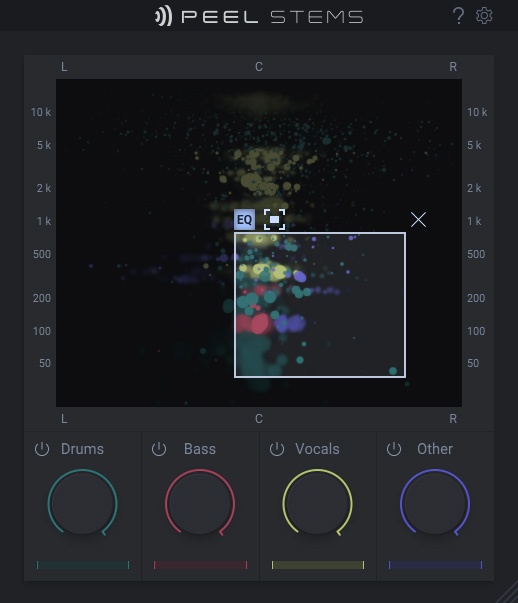
MS: I’d say most of our products have quite a self-explanatory core function, but also have further use cases that are maybe less obvious. For example, PEEL STEMS’ main purpose is to separate stems in real time. What many people don’t consider is that this makes it a great track referencing tool - you can hone in on the specific parts of any reference song and compare it to your own productions and mixes.
How do you ensure zplane remains on the cutting edge of audio technology in such a rapidly evolving field?
TF: Between our research, product, and marketing teams, we are continuously scanning the market to stay up to date on what is happening in the audio software industry. Additionally, we listen to our licensing and consumer customers so that we can understand what they are looking for in our products.
Vision, Innovation & The Road Ahead
With so many developments in AI, how do you see zplane adapting or leading in this space?
MS: Some zplane products are already utilizing artificial intelligence in some form or another, but to differing extents. PEEL STEMS, for example, makes heavy use of AI. Due to the size of our team, we’re still exploring ways in which we can utilize this new technology in ways that are useful for our users.
TF: And AI is very much incorporated into our licensing and research work. There are obviously plenty of applications for this new technology and we’re excited to continue exploring them.
Are there any new tools or updates currently in development that you can tease for us?
MS: Hmm, I’m not sure we can tease too much right now! What we can say is that we are always working on new products, as well as improving our existing products and technologies to improve their usability, efficiency, and audio quality.
What trends in music production excite you most right now—and which ones do you think are overhyped?
TF: Anything that makes music creation simpler or more fun is always a winner in my books. I think there’s a lot of hype around the big AI-music generation tools (you know which ones I mean), but I don’t believe it will have much impact on how music is made in the long term.
MS: I think the continued development of this technology and the amount of interest in it will be a net positive for producers and the industry in general. As always, the most innovative artists will figure out exciting new ways to use these tools for the better.
Finally, what advice would you give to young developers or musicians who want to innovate at the intersection of music and tech?
TF: The priority when developing software should always be to create tools that empower and inspire the end user, so I’d always advise not getting too caught up in the technology itself.
Conclusion: zplane’s Impact on Music Production Technology
From time-stretching innovations to AI-powered stem separation, zplane’s algorithms have quietly powered the workflows of countless producers, engineers, and plugin developers worldwide. Their ongoing collaboration with SoundBridge DAW makes professional-grade tools accessible to creators at every level—often for free.
As the future of music production evolves with artificial intelligence, real-time processing, and ever-faster workflows, zplane continues to innovate with one clear goal: to make music creation more natural, musical, and inspiring.
Head to zplane's website to learn all about their products and innovations.
If you liked this article, here are some more on the similar subjects:
MASTER MUSIC PRODUCTION
Expert-led courses designed to take you from fundamentals to finished tracks.

HOUSEFrom bouncy bass and solid kicks, this course teaches you the most modern House music production techniques needed to succeed and stand out.
TRAPQuit sounding like generic Trap and produce something World with hints of the Far East. Create ethnic soundscapes to put your Trap ahead of the curve.

AMBIENTProduce relaxing, sophisticated psy-influenced ambient. Psychedelic and relaxing to listen to, create meditative soundscapes to put your listeners in Zen.